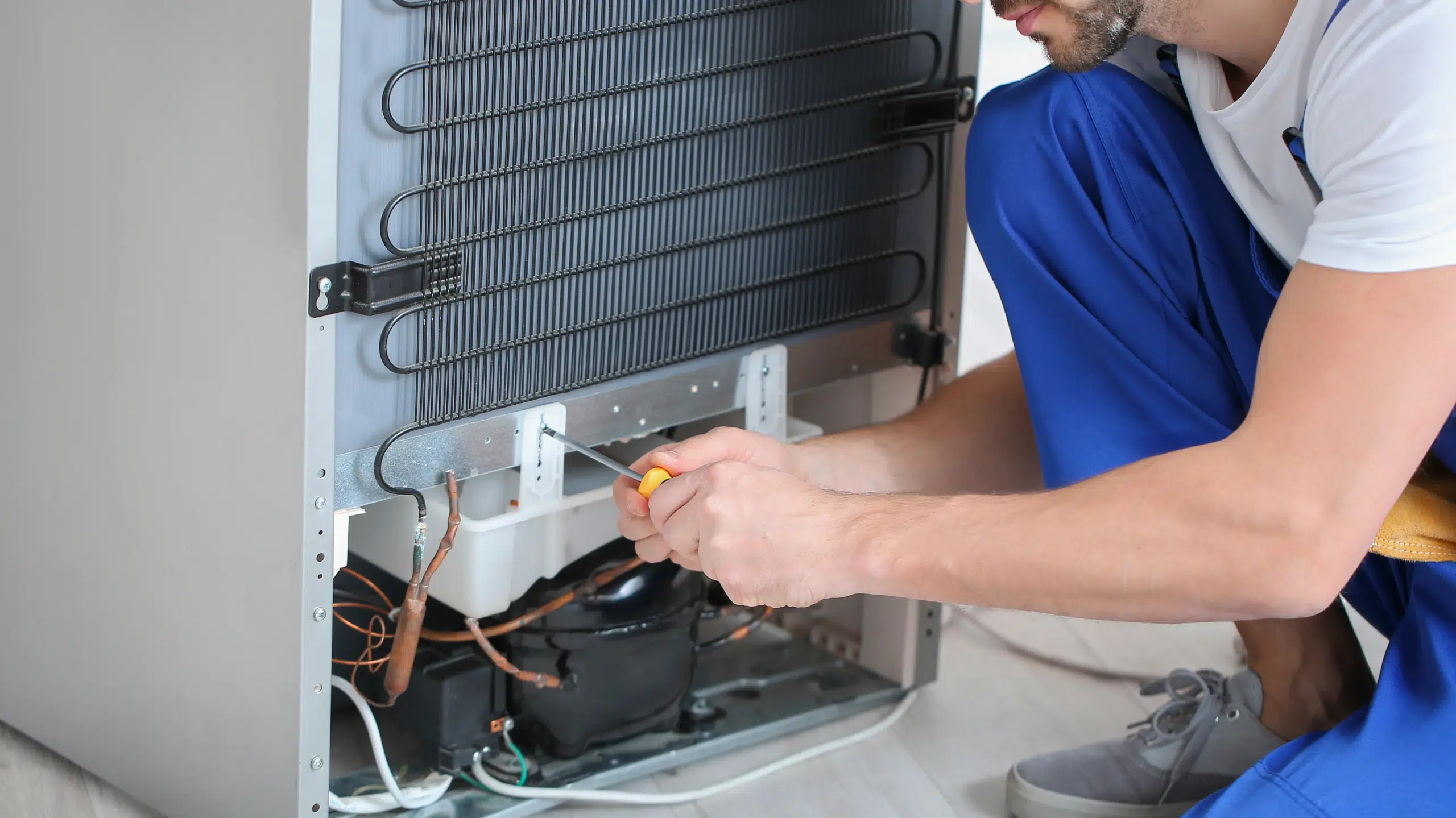
A refrigerator is an essential appliance in any home or business, keeping food fresh and drinks cold. However, like any cooling system, fridges can lose efficiency over time due to issues with their refrigerant gas. This is where fridge regassing comes in.
What Is Fridge Regassing?
Fridge regassing refers to the process of replenishing the refrigerant gas inside a refrigerator’s cooling system. This gas is crucial for heat exchange, allowing the fridge to maintain its cold temperatures. If the gas level drops due to leaks or wear and tear, the fridge loses its cooling efficiency, which can lead to food spoilage and increased energy consumption.
Signs Your Fridge Needs Regassing
Not sure if your fridge requires regassing? Here are some telltale signs:
- Food and Drinks Aren’t Cold Enough – If your fridge isn’t cooling properly even at the correct temperature setting, it may be low on refrigerant.
- Compressor Running Constantly – A fridge that runs non-stop without properly cooling could be struggling due to low gas levels.
- Frost Build-up or Uneven Cooling – If some sections of your fridge are too warm while others are icy, this may indicate a problem with refrigerant distribution.
- Hissing or Bubbling Noises – Unusual noises could be a sign of a refrigerant leak within the system.
- Higher Electricity Bills – A struggling fridge works harder, leading to increased energy consumption and higher bills.
If your commercial fridge is experiencing constant temperature fluctuations or compressor issues, you may also require professional commercial fridge repair services in London to address potential underlying mechanical faults.
How Much Does Regassing Cost? (Based on Brand & Type)
Fridge regassing costs can vary depending on the type and brand of the unit. Below are some approximate price ranges:
- ● Domestic Fridges (Samsung, LG, Bosch, Whirlpool) – £60 to £120● Commercial Refrigerators (True, Foster, Polar, Williams) – £150 to £400● Industrial Refrigeration Units – £500 to £1,500
- ● Domestic Fridges (Samsung, LG, Bosch, Whirlpool) – £60 to £120
- ● Commercial Refrigerators (True, Foster, Polar, Williams) – £150 to £400
- ● Industrial Refrigeration Units – £500 to £1,500
● Domestic Fridges (Samsung, LG, Bosch, Whirlpool) – £60 to £120
● Commercial Refrigerators (True, Foster, Polar, Williams) – £150 to £400
● Industrial Refrigeration Units – £500 to £1,500
Costs may also vary depending on the type of refrigerant used. R134a and R600a are commonly used for household fridges, while R404A is more typical in commercial cooling systems.
How Often Should You Regas Your Fridge?
Most fridges don’t need regassing unless they develop a leak. However, for commercial refrigeration, a routine check every 12-24 months is recommended to maintain efficiency and prevent unexpected failures. For residential fridges, regassing is only necessary if you notice cooling issues, typically after 5-10 years of use.
If your business relies on commercial refrigeration, it’s important to not only consider regassing but also ensure your unit is properly maintained. Our commercial fridge repair services in London can help diagnose and fix any issues beyond just refrigerant loss.
How Does Fridge Regassing Work?
If your fridge needs regassing, a professional technician will follow these steps:
- Leak Detection – The technician inspects the fridge for leaks. If there’s a leak, it needs to be sealed before regassing.
- Old Gas Removal – Any remaining refrigerant is safely removed from the system.
- System Vacuuming – The system is cleaned and vacuumed to remove moisture and air, which can affect cooling efficiency.
- Regassing – The correct type and amount of refrigerant gas is added to the fridge.
- Performance Testing – The technician runs tests to ensure the fridge is cooling properly and efficiently.
Can You Regas a Fridge Yourself?
While DIY solutions might seem tempting, regassing a fridge requires specialised tools, safety precautions, and knowledge of refrigerants. Incorrect handling can damage the fridge or even pose health risks. It’s always best to call a certified refrigeration technician to handle the process professionally.
How Often Should a Fridge Be Regassed?
In a well-maintained fridge, the refrigerant should last for years without needing a refill. If you find yourself needing frequent regassing, it likely indicates an underlying issue, such as a leak, which should be repaired promptly.
For businesses, timely maintenance is crucial. If your commercial fridge is not performing efficiently, our expert team offers commercial fridge repair in London to prevent costly breakdowns and ensure peak performance.
Fridge regassing is an essential maintenance service that can extend the lifespan of your appliance and improve its efficiency. If you notice signs of low refrigerant, don’t wait until your food starts spoiling, contact a qualified technician to assess and regas your fridge.
Need professional fridge regassing? Get in touch with us today to restore your fridge’s cooling power efficiently and affordably!
UK Refrigerant Regulations
The handling and use of refrigerants in the UK is strictly regulated:
- UK Government: F-Gas regulations - Requirements for using, recovering, and disposing of fluorinated greenhouse gases.
- HSE: Refrigeration safety - Health and safety guidance for refrigeration systems, including natural refrigerants.

Written by
Ali Elm
Ali is the Head of Operations at Be Cool Refrigeration with over a decade of hands-on experience in HVAC and commercial refrigeration. He oversees every installation, repair, and maintenance project, making sure the work meets the highest standards. Ali holds full F-Gas certification and has worked across residential, commercial, and industrial refrigeration systems throughout London and the South East. When he is not on site, he writes these guides to help business owners and homeowners understand their cooling systems better.