Seasonal Energy Efficiency Ratings Demystified: What Every UK Homeowner Should Know Before Buying an Air Conditioning System
With UK summers becoming increasingly warmer and more homes installing air conditioning, understanding energy efficiency ratings has never been more important. Whether you’re considering your first AC installation or upgrading an existing system, knowing how efficiency ratings work can save you significant money on your energy bills.
Understanding UK and European Efficiency Ratings
Unlike the American SEER system, in the UK and Europe, we use the SEER (Seasonal Energy Efficiency Ratio) and SCOP (Seasonal Coefficient of Performance) ratings under the ErP (Energy-related Products) Directive. These ratings are displayed on the familiar energy label ranking from A+++ to G.
Energy Label Classifications for Air Conditioning:
A+++ (Most Efficient): SEER ≥ 8.50
A++: 6.10 ≤ SEER < 8.50
A+: 5.60 ≤ SEER < 6.10
A: 5.10 ≤ SEER < 5.60
B: 4.60 ≤ SEER < 5.10
C: 4.10 ≤ SEER < 4.60
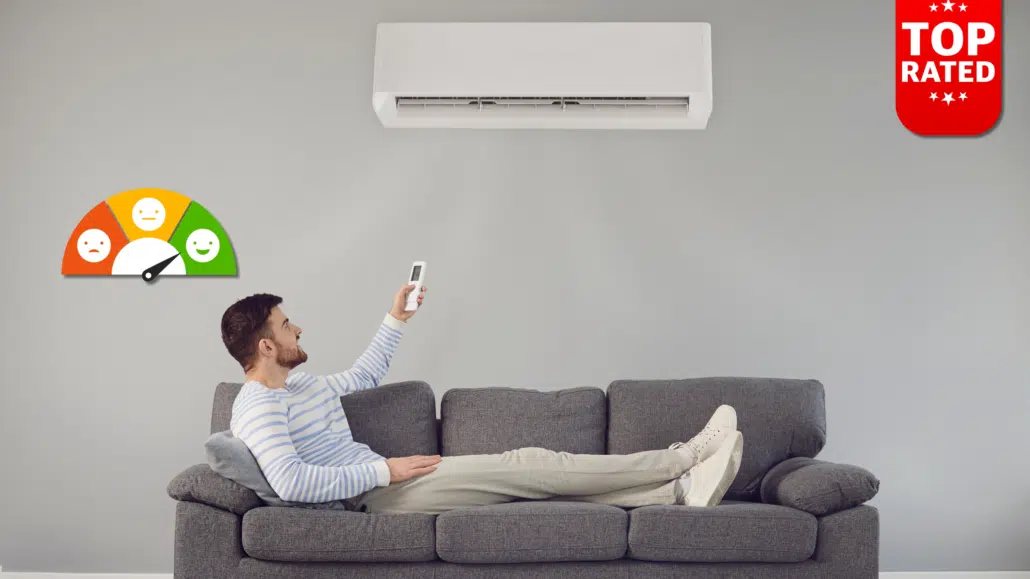
SEER Ratings Explained: A Guide for UK Homeowners Buying AC Systems
Recommended SEER Rating:
Why Efficiency Ratings Matter in the UK Climate
The UK’s moderate climate means our cooling needs differ from hotter countries:
Regional Considerations
● Southern England
○ Cooling season: 3-4 months
○ Average summer temperature: 19-23°C
○ Annual cooling hours: 500-800
● Midlands and Northern England
○ Cooling season: 2-3 months
○ Average summer temperature: 17-21°C
○ Annual cooling hours: 400-600
● Scotland
○ Cooling season: 1-2 months
○ Average summer temperature: 15-19°C
○ Annual cooling hours: 300-500
Technical Specifications for Modern UK Systems
Inverter Technology
Modern UK air conditioning systems use inverter technology, which offers:
● Variable speed compressor operation
● Temperature control within ±0.5°C
● Up to 40% lower energy consumption compared to non-inverter systems
● Reduced starting current
● Better performance in varied British weather conditions
Heat Pump Functionality
Most UK systems are reverse cycle heat pumps that provide:
● Both heating and cooling capabilities
● Efficient operation in temperatures as low as -15°C
● Typical SCOP ratings of 4.0 or higher for heating
● Reduced carbon footprint compared to gas heating
Return on Investment Analysis for UK Households
Let’s examine the financial impact of different efficiency ratings for a typical UK installation:
Example 1: 3.5kW System for a Medium-Sized Room
Starting point: Standard Efficiency (A) Upgrade options analysed over 10-year lifespan:
A++ Rating System:
● Additional upfront cost: £300-400
● Annual cooling costs before: £120
● Annual cooling costs after: £85
● Annual savings: £35
● Break-even point: 9-11 years
● Total 10-year savings: £350
● Additional heating savings: £100-150 per year when used as heat pump
A+++ Rating System:
● Additional upfront cost: £500-600
● Annual cooling costs before: £120
● Annual cooling costs after: £70
● Annual savings: £50
● Break-even point: 10-12 years
● Total 10-year savings: £500
● Additional heating savings: £150-200 per year when used as heat pump
UK-Specific Cost Considerations
Electricity Rates
● Average UK electricity rate (2024): 27p/kWh
● Economy 7 night rate: 16-20p/kWh
● Consider solar PV integration for maximum savings
Installation Costs
● Professional installation: £1,500-2,500 per unit
● Local authority green home grants (varies by region)
● Potential future incentives under UK net zero strategy
Making the Right Choice for Your UK Home
Key Considerations
Home Insulation Levels
○ Cavity wall insulation status
○ Loft insulation depth
○ Double/triple glazing presence
Usage Patterns
○ Work-from-home requirements
○ Summer occupancy
○ Heating requirements in winter
Property Type
○ Listed building restrictions
○ Conservation area considerations
○ Installation limitations
Professional Installation Requirements
In the UK, your installer must:
✓ Be F-Gas registered
✓ Provide TrustMark certification
✓ Issue proper documentation for Building Regulations
✓ Provide warranty documentation
✓ Offer adequate aftercare service
Maintenance and Efficiency
To maintain optimal efficiency:
● Annual service recommended (typically £60-100)
● Regular filter cleaning every 3-6 months
● Professional cleaning every 2-3 years
● Refrigerant check every 5 years
While higher efficiency units cost more initially, they often make financial sense in the UK, especially when:
➜ The system will be used for both heating and cooling
➜ You plan to stay in your property long-term
➜ You’re concerned about future energy price increases
➜ You want to reduce your carbon footprint
Our F-Gas certified team can help you calculate the optimal system efficiency for your home and budget. We’ll consider your local climate, home size, and usage patterns to recommend the most cost-effective solution for your needs.
Contact us today for a FREE consultation and let us help you make an informed decision about your new air conditioning system.
seasonal energy efficiency ratio, energy efficiency ratio, seer ratings, seer a, seer rating, what is seasonal energy efficiency ratio, the seasonal energy efficiency ratio, seer ac, seer air conditioning rating, seer air conditioner ratings
heat pump, air conditioning, roof, indoor air quality, variable refrigerant flow, chiller, air handler, pump, duct, compressor, humidity, ventilation, innovation, condenser, daikin, data center, air purifier, refrigerant, sustainability, dehumidifier, thermostat, brand, heat exchanger, building automation, air filter, trane, hvac, heating, air conditioning maintenance, commercial hvac companies near me, commercial hvac near me, commercial air conditioning companies, commercial hvac service near me, commercial air conditioning companies near me, commercial hvac contractors, commercial hvac contractors near me, hvac commercial companies, commercial air conditioning service, commercial air conditioning, commercial hvac, commercial ac, commercial hvac services, commercial hvac systems, hvac installation commercial, climate, evaporator, furnace, automation, efficiency, water cooling, energy management, factory, knowledge, server room, floor, energy, manufacturing, customer, electronics, exhaust system, consumption, conditioning unit, contractor, hvac systems, air conditioners, air conditioning units, commercial air conditioner, hvac system, services air conditioning, commercial hvac system, hvac solutions, commercial air conditioners, units, commercial ac unit, commercial air conditioning unit, lg commercial hvac, inverter compressor, leak, pressure, valve, sensible heat, liquid, engine, ashrae, standard temperature and pressure, ammonia, heat transfer, heat pump and refrigeration cycle, matter, steel, cryogenics, british thermal unit, freezing, pipe, thermal expansion valve, thermal insulation, environmentally friendly, latent heat, stainless steel, turbine, piston, centrifugal compressor, fluid, american society, volume, evaporative cooler, oil, weight, dairy, boiling, magnet, thermometer, convection, vapor pressure, coolant, molecule, enthalpy, melting point, lubricant, scroll compressor, carbon, experiment, solid, carbon dioxide, machine, vacuum, warranty, meat, metal, absolute zero, radiator, absorption, cold chain, entropy, check valve, international institute of refrigeration, construction, ton of refrigeration, centrifugal fan, thermodynamics, food preservation, second law of thermodynamics, bearing, welding, horsepower, snow, foam, john gorrie, phase, ton, quantity, dry ice, thermal expansion, nutrition, citation, water vapor, laws of thermodynamics, james harrison, alloy, patent, airflow, ratio, pressure drop, cooling tower, heat wave, natural refrigerant, research, sublimation, diethyl ether, room temperature, particle, ferdinand carré, encyclopedia, methane, wood, samsung family hub, r404a, r600a, instaview, samsung twin cooling, r404, r449a, instaview lg, be spoke samsung, foodservice, countertop, global warming potential, hydrofluorocarbon, retail, lighting, food safety, food spoilage
Frequently Asked Questions
Can you use a commercial fridge at home?
Using a commercial fridge at home is possible, but it may not be practical due to its size, energy consumption, and noise levels. It's important to consider your specific needs and space limitations before making a decision.
Can a commercial freezer be used as a refrigerator?
A commercial freezer can be used as a refrigerator, but it requires careful temperature adjustments to avoid freezing items. Ensure it is set to a higher temperature to maintain proper cooling for refrigerated goods without risking damage.
How much does a commercial AC unit cost?
The cost of a commercial AC unit varies based on size, efficiency, and features, typically ranging from £2,000 to £10,000. For a precise estimate, it’s best to consult with a professional to assess your specific needs.
What is a commercial air conditioning system?
A commercial air conditioning system is a robust climate control solution designed to cool large spaces such as offices, retail stores, or warehouses. It regulates indoor temperatures efficiently, ensuring comfort for employees and customers.
How often should commercial air conditioning units be serviced?
Commercial air conditioning units should be serviced at least once a year to ensure optimal performance and efficiency. However, in high-demand environments, bi-annual maintenance is recommended for best results.
Do commercial fridges use a lot of electricity?
Commercial fridges tend to use a significant amount of electricity due to their constant operation and cooling requirements. However, energy-efficient models are available that can help reduce overall energy consumption and costs.
Are commercial refrigerators energy efficient?
Commercial refrigerators can be energy efficient, particularly when they meet modern energy standards and utilize advanced technology. Investing in energy-efficient models can significantly reduce operating costs and environmental impact while maintaining optimal refrigeration performance.
What maintenance is required for commercial fridges?
The maintenance required for commercial fridges includes regular cleaning of coils, checking temperature settings, inspecting door seals, and ensuring proper airflow. Scheduled professional servicing is also recommended to prevent breakdowns and ensure efficiency.
How long do commercial air conditioning units last?
Commercial air conditioning units typically last between 10 to 15 years with proper maintenance. Factors such as usage, environment, and servicing can impact their lifespan significantly. Regular checks ensure optimal performance and longevity.
What are the benefits of commercial refrigeration?
The benefits of commercial refrigeration include enhanced product preservation, improved food safety, energy efficiency, and increased customer satisfaction. It ensures that perishable goods remain fresh, reducing waste and operating costs for businesses.
Can commercial fridges operate in high temperatures?
Commercial fridges can operate in high temperatures, but their efficiency may be compromised. It's essential to choose models designed for warmer environments to ensure optimal cooling performance and longevity.
Do commercial air conditioners require special installation?
Commercial air conditioners do require special installation. They are typically larger and more complex than residential units, necessitating professional expertise for proper setup and optimal performance.
What size commercial fridge do I need?
The size of commercial fridge you need depends on your storage requirements and available space. Consider factors such as the volume of products you store, frequency of restocking, and your establishment's layout to select an appropriate size.
How to clean a commercial air conditioning unit?
Cleaning a commercial air conditioning unit involves several key steps: start by turning off the power, then remove and clean the air filters, check and clean the coils with a soft brush, and ensure the drainage system is clear to maintain optimal performance.
What are the best brands for commercial refrigeration?
The best brands for commercial refrigeration include True, Traulsen, and Turbo Air, known for their reliability, energy efficiency, and durable designs, making them ideal choices for various business needs.
Can I use a commercial fridge in a small space?
Using a commercial fridge in a small space is possible, but it's essential to ensure proper ventilation and access. Make sure the fridge fits comfortably while allowing sufficient clearance for airflow to maintain optimal performance.
How energy-efficient are modern commercial AC units?
Modern commercial AC units are highly energy-efficient, often featuring advanced technologies that optimize cooling while reducing energy consumption, which can lead to significant cost savings and lower environmental impact over time.
What are typical issues with commercial refrigerators?
Typical issues with commercial refrigerators include inadequate cooling, temperature fluctuations, compressor failure, and dirty condenser coils. Regular maintenance can help prevent these problems and ensure efficient operation.
Do commercial fridges require constant electrical supply?
Commercial fridges require a constant electrical supply to operate effectively. This ensures that they maintain the necessary temperature for food preservation and optimal performance. Interruptions in power can lead to spoilage and operational issues.
How do I choose a commercial air conditioning system?
Choosing a commercial air conditioning system involves assessing your space's size, budget, efficiency requirements, and specific cooling needs. Consider professional advice to ensure optimal performance and long-term reliability.
What features should I look for in commercial fridges?
The features to look for in commercial fridges include durability, energy efficiency, adjustable shelving, temperature control, and compliance with health and safety regulations, ensuring they meet the demands of your business while maintaining optimal food preservation.
Can commercial refrigeration reduce food spoilage?
Commercial refrigeration can significantly reduce food spoilage. By maintaining optimal temperatures, it slows down bacterial growth and helps preserve the freshness and quality of perishable items, ensuring longer shelf life and reduced waste.
How to troubleshoot commercial air conditioning problems?
Troubleshooting commercial air conditioning problems involves checking for common issues like thermostat settings, power supply, and blocked filters. Ensure the system is properly cleaned and maintained; if problems persist, consult a professional technician for in-depth diagnostics.
What voltage do commercial fridges operate on?
Commercial fridges typically operate on either 220-240 volts or 380-415 volts, depending on the model and specifications. It's important to check the manufacturer's guidelines for the exact voltage requirements of your specific unit.
What is the average lifespan of a commercial AC?
The average lifespan of a commercial AC unit is typically between 10 to 15 years. Proper maintenance and usage can help extend its life, ensuring reliable cooling for your business.
Can I use a commercial fridge for perishable goods?
Using a commercial fridge for perishable goods is suitable, as these units are designed to maintain optimal temperatures, ensuring food safety and freshness. Just ensure that the fridge meets the specific storage requirements for your items.
What factors affect the cost of commercial AC units?
The cost of commercial AC units is influenced by several factors, including the unit’s capacity, energy efficiency rating, installation complexity, and additional features such as smart technology and advanced controls.
How do commercial fridges compare in energy use?
Commercial fridges vary significantly in energy use based on efficiency ratings, size, and technology. Typically, modern energy-efficient models consume less power than older units, leading to lower operational costs while still providing reliable cooling.
Are there regulations for commercial refrigeration equipment?
Regulations for commercial refrigeration equipment exist to ensure safety, energy efficiency, and environmental protection. Businesses must comply with local and national standards governing installation, maintenance, and operation to meet these regulatory requirements.
How to install commercial refrigeration properly?
Proper installation of commercial refrigeration requires ensuring a level surface, proper electrical connections, and appropriate ventilation. Additionally, all refrigerant lines should be securely attached, and the unit must be thoroughly tested for efficiency before use.
commercial air conditioning, hvac, commercial air conditioning london, commercial air conditioning installation, commercial fridge repair london, air conditioning companies near me, hvac repair, be cool refrigeratio, ac