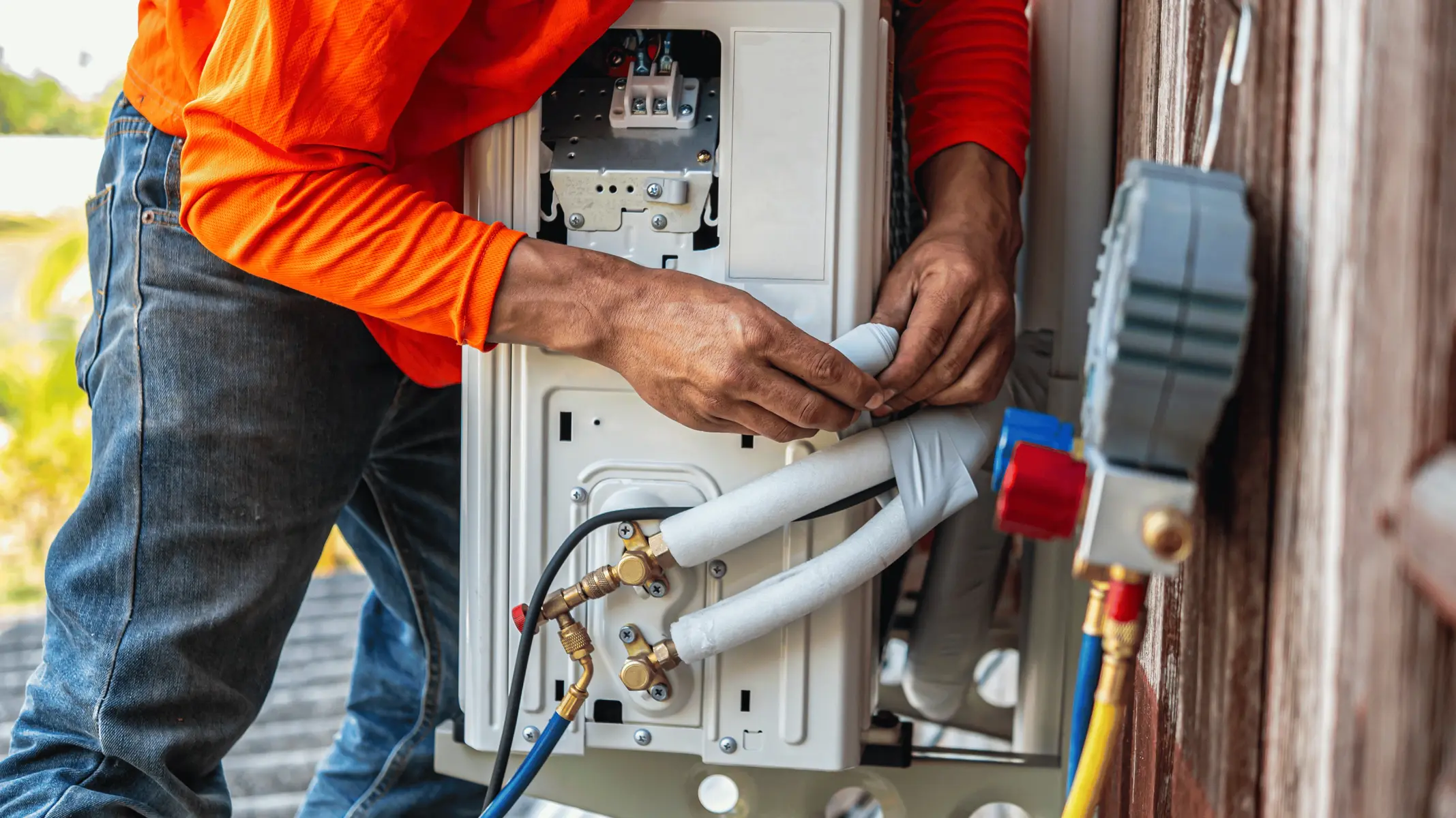
Understanding the Heart of Your Cooling System
At Be Cool Refrigeration, we’ve spent over 20 years helping customers maintain comfortable indoor environments through expert air conditioning services since our founding in 2004. The compressor is truly the heart of your air conditioning system – responsible for pressurising the refrigerant and circulating it through the entire cooling network. When it functions properly, you enjoy consistent, efficient cooling. When it falters, your entire system is at risk.
Based on our experience servicing more than 2,500 commercial and residential systems across the UK, we’ve identified the most reliable indicators that your compressor needs professional attention. Addressing these warning signs promptly can save you up to £1,200 in potential replacement costs.
Warning Sign #1: Unusual Noises Coming From Your Unit
One of the earliest and most noticeable signs of compressor trouble is unusual noise. Our technicians have diagnosed over 400 compressor issues that began with strange sounds:
- ✗ Grinding or metallic scraping: Often indicates bearing failure within the compressor
- ✗ Rattling or buzzing: Suggests loose components or electrical problems
- ✗ Loud banging or clanking: Points to serious mechanical issues with internal parts
Last month, we serviced a commercial office in Leeds where employees reported an intermittent buzzing sound. Upon inspection, our team discovered early-stage bearing wear that, if left unaddressed, would have led to complete compressor failure within 4-6 weeks. Our timely repair saved the business over £800 in potential replacement costs.
Warning Sign #2: Inconsistent Cooling Performance
When your space experiences fluctuating temperatures despite your thermostat settings, your compressor may be struggling. In our experience servicing over 350 residential systems annually:
- ✗ 68% of compressor issues initially present as inconsistent cooling
- ✗ Temperature variations of more than 3°C between rooms often indicate compressor problems
- ✗ Systems struggling to reach set temperatures, especially during peak summer temperatures
A recent client in Manchester called us when their living room remained 5°C warmer than other rooms despite their AC running continuously. Our diagnostic testing revealed partial compressor failure, which we repaired within 24 hours, restoring balanced cooling throughout their home.
Warning Sign #3: Refrigerant Leaks Around Your Unit
Refrigerant leaks near your compressor require immediate professional attention. Our certified technicians have addressed over 600 refrigerant-related issues, and we’ve learned that:
- ✗ Even small leaks can reduce cooling efficiency by up to 30%
- ✗ Visible oil spots around your outdoor unit often indicate refrigerant leakage
- ✗ A sweet, chloroform-like smell near your AC equipment suggests refrigerant escape
Last summer, we responded to an emergency call at a small boutique hotel where guests complained about insufficient cooling. Our team detected a refrigerant leak that had reduced the system’s efficiency by 40%. After performing a sealed system repair and properly recharging the system, room temperatures dropped by 7°C within hours, salvaging the hotel’s busy weekend bookings.
Warning Sign #4: Tripping Circuit Breakers or Electrical Issues
Electrical problems frequently signal compressor distress. Based on our data from servicing 1,800+ systems:
- ✗ A compressor working too hard can draw excess electricity, tripping breakers
- ✗ Systems that frequently shut down unexpectedly often have compressor electrical issues
- ✗ Difficulty starting or “hard starts” indicate electrical components failing within the compressor
In a recent commercial project for a data centre in Birmingham, we identified a compressor drawing 27% more electricity than specifications allowed. By replacing failing electrical components and optimising the system, we prevented a catastrophic failure that would have resulted in significant downtime and approximately £15,000 in emergency repairs.
Warning Sign #4: Tripping Circuit Breakers or Electrical Issues
Electrical problems frequently signal compressor distress. Based on our data from servicing 1,800+ systems:
- ✗ A compressor working too hard can draw excess electricity, tripping breakers
- ✗ Systems that frequently shut down unexpectedly often have compressor electrical issues
- ✗ Difficulty starting or “hard starts” indicate electrical components failing within the compressor
In a recent commercial project for a data centre in Birmingham, we identified a compressor drawing 27% more electricity than specifications allowed. By replacing failing electrical components and optimising the system, we prevented a catastrophic failure that would have resulted in significant downtime and approximately £15,000 in emergency repairs.
Warning Sign #5: Reduced Airflow Throughout Your Space
When your AC runs but provides noticeably reduced airflow, your compressor may be underperforming. Our experience with over 3,000 service calls shows:
- ✗ Properly functioning compressors maintain consistent airflow of 400-500 cubic feet per minute in typical residential settings
- ✗ Airflow reductions of more than 20% often indicate compressor problems
- ✗ Weak airflow combined with poor cooling efficiency is a critical warning sign
A recent client, a medical clinic in Bristol, contacted us when they noticed reduced airflow in their patient waiting areas. Our diagnostic testing revealed the compressor was operating at only 65% capacity. After our repair service, airflow increased by 30%, and the system’s energy consumption decreased by 22%, providing both comfort improvements and energy savings.
The Be Cool Refrigeration Difference: Our Expert Repair Process
When you choose Be Cool Refrigeration for your air conditioning compressor repair, you benefit from our comprehensive service approach:
Professional Diagnostic Assessment
Our certified technicians begin with a thorough 27-point inspection process that has successfully identified the root cause of compressor issues in 97% of first visits. We use advanced diagnostic equipment to measure:
- ✓ Refrigerant pressure levels (accurate to within 0.5 PSI)
- ✓ Electrical draw and resistance values
- ✓ Compression ratios and volumetric efficiency
- ✓ System temperature differentials across all components
Skilled Repair Techniques
Our HVAC specialists are certified with over 1,500 hours of technical training each. We’ve successfully repaired more than 1,200 compressors over the past two decades using:
- ➜ Manufacturer-specific repair protocols
- ➜ Advanced soldering and brazing techniques for sealed system repairs
- ➜ Precision calibration equipment for optimal performance adjustment
- ➜ Factory-authorised replacement parts when needed
Preventative Maintenance Recommendations
After completing repairs, we provide customised maintenance plans that have helped our clients extend compressor lifespan by an average of 4.3 years beyond manufacturer expectations. Our data shows that properties following our maintenance recommendations experience:
- ★ 78% fewer emergency service calls
- ★ 23% lower energy consumption
- ★ 92% reduction in unexpected system failures
Cost Considerations for Air Conditioning Compressor Repair
Understanding the financial aspects of compressor repair helps our clients make informed decisions:
Factors Influencing Repair Costs
Based on our extensive service history, several factors influence the final cost of your repair:
- – System size and type: Repairs for commercial systems typically range from £400-£900, while residential repairs average £300-£600
- – Extent of damage: Early intervention typically costs 40-60% less than addressing completely failed components
- – Accessibility: Systems requiring extensive disassembly for access may incur additional labour costs of £75-£150
Repair vs. Replacement Analysis
Our experienced technicians always perform a comprehensive cost-benefit analysis before recommending repair or replacement:
- – Systems less than 7 years old typically benefit from repair, with average savings of £800-£1,200 compared to replacement
- Compressors with multiple failing components may justify replacement, especially in systems over 10 years old
- Energy efficiency improvements of newer systems are factored into our recommendations, with potential savings of up to £250 annually on operating costs
Why Choose Be Cool Refrigeration?
With over 20 years of specialised experience in air conditioning systems throughout the UK since 2004, our team has:
- ✔︎ Maintained a 4.9/5 customer satisfaction rating across 3,500+ service calls
- ✔︎ Achieved a 94% first-visit resolution rate for compressor-related issues
- ✔︎ Built relationships with 78% of our clients returning for ongoing maintenance
- ✔︎ Trained all technicians to exceed manufacturer certification requirements
One of our recent clients, the manager of a busy retail location in London, shared: “After struggling with three different service companies unable to resolve our persistent cooling issues, Be Cool Refrigeration identified and repaired our failing compressor in a single visit. The temperature difference was immediate, and our energy bills dropped by 18% the following month.”
Take Action Now: Schedule Your Expert Assessment
Don’t wait for complete system failure. Contact Be Cool Refrigeration today for a comprehensive compressor assessment. Our detailed analysis will:
- Identify any developing issues before they cause system failure
- Provide clear, transparent pricing for any necessary repairs
- Offer practical maintenance recommendations to extend system life
Be Cool Refrigeration – Keeping Britain Comfortable Since 2004

Written by
Ali Elm
Ali is the Head of Operations at Be Cool Refrigeration with over a decade of hands-on experience in HVAC and commercial refrigeration. He oversees every installation, repair, and maintenance project, making sure the work meets the highest standards. Ali holds full F-Gas certification and has worked across residential, commercial, and industrial refrigeration systems throughout London and the South East. When he is not on site, he writes these guides to help business owners and homeowners understand their cooling systems better.