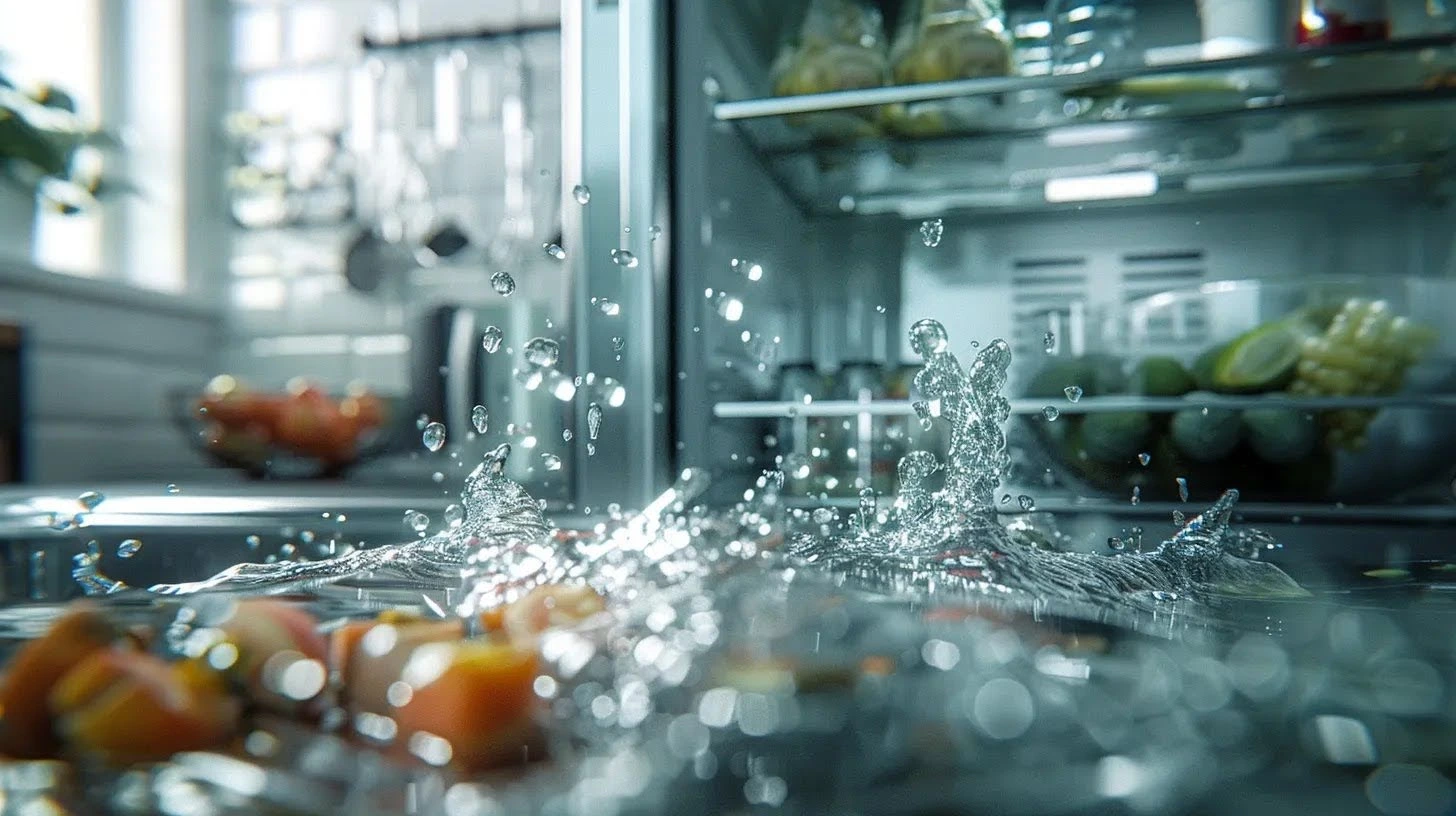
Common Causes of Water Leakage in Fridges
Water leakage in fridges is a frustrating issue that many face. Understanding the common causes can help prevent damage and save money on repairs. This article will explore key areas, including how to identify leakage problems, preventive measures, and troubleshooting steps to address water issues effectively. By engaging with this content, readers will gain insights into resolving their fridge’s water leakage, ensuring their appliance runs efficiently and preventing potential hazards.
Key Takeaways
- – Regularly check and maintain the condensation drain to prevent water pooling in refrigerators
- – Inspect door seals to avoid humidity intrusion and reduce condensation issues
- – Frozen water supply lines can obstruct flow, leading to leaks that require prompt attention
- – Identifying early signs of leaks can prevent extensive damage and costly repairs
Professional inspection is advisable for complex Leak issues that homeowners cannot resolve independently
Why Is My Refrigerator Leaking Water?
Several factors can lead to water leakage in refrigerators. A blocked drain or drainage path often results in excess water pooling. A frozen water supply line can disrupt normal operation, while frost buildup creates additional leakage issues. The integrity of seals and the condition of the water dispenser play critical roles in preventing leaks. Damage to the water line and high humidity levels further complicate matters. Lastly, a damaged drain pan can contribute significantly to water accumulation. Each of these aspects will be examined for a comprehensive understanding of refrigerator water leakage. In cases of persistent issues, commercial fridge repair may be necessary.
Blocked Condensation Drain Causes Water Leakage
Frozen Water Supply Line and Its Impact on Leakage
| Cause | Description |
|---|---|
| Frozen Water Supply Line | A blockage due to ice can prevent proper water flow, leading to leakage. |
| Blocked Tube | Debris in the water line can create clogs, causing leaks to form unexpectedly. |
| Condensation Issues | Excess moisture resulting from temperature fluctuations can contribute to water accumulation. |
Frost Buildup Leading to Water Leakage Issues
| Cause | Description |
|---|---|
| Frost Buildup | This accumulation can obstruct air flow, causing melting frost to leak water. |
| Improper Door Seals | Damaged seals can let humidity in, accelerating frost formation. |
| Insufficient Air Circulation | Blocked vents due to frost hinder the fridge’s efficiency, leading to leaks. |
Importance of a Proper Seal to Prevent Leaks
Got fridge leaks or rising energy bills? This guide on fridge seal replacement explains what to do.
Understanding the Effects of a Broken Water Dispenser
- x Clogged water filter impacting water flow
- x Refrigerant issues causing inefficiency
- x Defrost drain blockages leading to excess leakage
Signs of a Damaged Water Line Causing Leaks
The Role of High Humidity in Refrigerator Leaks
Recognising a Damaged Drain Pan as a Cause of Water Leakage
How to Identify Common Leakage Issues in Your Fridge
Identifying common leakage issues in fridges involves recognising symptoms such as water pooling underneath the appliance and detecting water puddles inside. These signs often indicate problems with the water line for the fridge leaking, which may stem from faulty valves or other components. Quick refrigerator water line repair is essential to maintain efficiency and prevent energy waste due to prolonged leaks.
Symptoms Indicating a Leak Underneath the Fridge
| Symptom | Description |
|---|---|
| Water Pooling | Visible accumulation of water underneath the fridge, suggesting a leak. |
| Excess Moisture | Dampness in surrounding areas, which may indicate a malfunctioning water line. |
| Unusual Dampness | Signs of dampness can result from condensation issues or damaged components. |
Detecting Water Puddles Inside Your Refrigerator
Identifying the source of leakage is only the beginning. Taking steps to prevent it will save both trouble and time.
Detecting Water Puddles Inside Your Refrigerator
Identifying the source of leakage is only the beginning. Taking steps to prevent it will save both trouble and time.
Preventive Measures to Avoid Water Leakage in Fridges
Regular maintenance is vital for minimising the risk of water leakage in refrigerators. Keeping the condensation drain clear and functional is essential to prevent blockages that can lead to pooling water. Moreover, checking seals and insulation regularly helps maintain airtight closures, reducing the chances of moisture intrusion. These proactive measures contribute significantly to the efficient operation of the appliance
Regular Maintenance Tips to Minimise Leakage Risks
Keeping the Condensation Drain Clear and Functional
Checking Seals and Insulation to Prevent Water Issues
Troubleshooting Steps for Water Leakage From Your Fridge
Initial Checks to Locate the Source of the Leak
- – Inspect the water supply line for damage or blockages.
- – Check the defrost drain for signs of blockage or ice.
- – Assess the door seals for wear or gaps that may allow moisture intrusion.
Assessing Water Supply Line for Damage and Blockages
- – Inspect the water supply line for visible damage.
- – Look for kinks that may block water flow.
- – Check for ice build-up or debris in the line
Recommendations for Professional Assistance if Needed
As the fridge stands quiet, questions about its behaviour linger. Understanding common concerns can bring clarity and put the mind at ease.
Frequently Asked Questions About Fridge Water Leakage
Understanding water leakage in refrigerators can help address common issues. This section highlights key questions, including what causes water to accumulate at the bottom of a fridge, whether a leak presents a serious concern, and how to temporarily stop water leakage until repairs are made. These insights provide practical guidance for homeowners experiencing leakage problems.
A leak from a fridge can pose serious concerns for homeowners, as it may indicate underlying issues that require immediate attention. While minor drips might seem manageable, persistent leaks can lead to water damage, structural problems, and the growth of mould. Addressing the source of the leak promptly can prevent costly repairs and ensure the refrigerator functions efficiently, safeguarding both the appliance and the home environment.
To temporarily stop water leakage in a fridge until repairs can be made, homeowners can take practical steps such as placing absorbent towels or a shallow container beneath the appliance to catch any dripping water. Additionally, inspecting the area around the water supply line and defrost drain may reveal blockages that can be cleared manually to mitigate immediate leakage issues. Promptly addressing these visible problems can delay further water accumulation and reduce the risk of damage to surrounding areas until a professional can provide a more permanent solution.
Understanding the common causes of water leakage in fridges is essential for preventing damage and maintaining appliance efficiency. Key issues such as blocked drains, frozen supply lines, and damaged seals can create significant problems if left unaddressed. Regular maintenance and timely troubleshooting can safeguard against leaks, ultimately prolonging the life of the refrigerator and protecting surrounding areas from water damage. Homeowners should remain vigilant for symptoms of leaks to ensure prompt action and effective resolution of any issues.

Written by
Ali Elm
Ali is the Head of Operations at Be Cool Refrigeration with over a decade of hands-on experience in HVAC and commercial refrigeration. He oversees every installation, repair, and maintenance project, making sure the work meets the highest standards. Ali holds full F-Gas certification and has worked across residential, commercial, and industrial refrigeration systems throughout London and the South East. When he is not on site, he writes these guides to help business owners and homeowners understand their cooling systems better.