Understand the types, benefits, and real factors that affect performance and profit.
Choosing the right food retail refrigeration system is a strategic business decision not just an equipment purchase. It impacts your energy costs, product quality, food safety compliance, and even how customers experience your store or venue.
Whether you’re a small grocery store, a large retail chain, or a hospitality operator, this guide breaks down exactly what you need to know to make an informed decision.
Types of Commercial Refrigeration Systems (And When to Use Them)
Knowing the difference between the types of systems available is your first step toward buying the right one.
Display Refrigeration Units
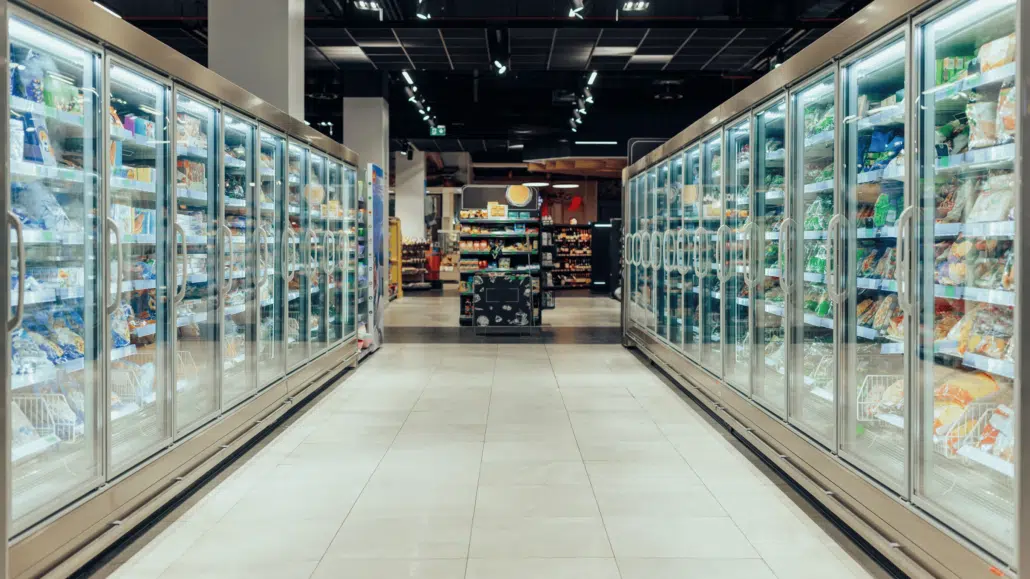
Best for: Grocery stores, bakeries, cafes, convenience storesThese include open multi-deck units, chilled display cabinets, and glass door fridges great for encouraging customer self-service and visibility of products.
- – Ideal for dairy, drinks, sandwiches, ready meals
- – Designed for front-of-house use
- – Require proper airflow and regular defrosting to prevent energy waste
– Ideal for dairy, drinks, sandwiches, ready meals
– Designed for front-of-house use
– Require proper airflow and regular defrosting to prevent energy waste
Walk-In Cold Rooms
Best for: Butchers, restaurants, food production sites, high-volume groceryCold rooms offer large-scale chilled or frozen storage, often custom-built based on your space.
- – High capacity and space-efficient
- – Easy to organise stock
- – Higher upfront cost, but offers the best return for large operations
– High capacity and space-efficient
– Easy to organise stock
– Higher upfront cost, but offers the best return for large operations
Undercounter Refrigerators & Freezers
Best for: Hospitality, bars, small kitchensCompact, practical, and space-saving. These units fit under prep counters or bars.
- – Ideal for fast access in small spaces
- – Energy-efficient for low-volume use
- – Limited storage; not suitable for bulk inventory
– Ideal for fast access in small spaces
– Energy-efficient for low-volume use
– Limited storage; not suitable for bulk inventory
Chest Freezers & Upright Storage Units
Best for: Bulk frozen storage in back-of-house areasGood for restaurants, takeaway kitchens, and food retail businesses with frozen stock.
- – Chest freezers offer more space and are more efficient
- – Upright freezers save floor space and allow easier stock rotation
– Chest freezers offer more space and are more efficient
– Upright freezers save floor space and allow easier stock rotation
Refrigerated Prep Tables
Best for: Hospitality, delis, food productionThese combine refrigerated storage with work surfaces perfect for fast-paced environments.
- – Speeds up food prep
- – Great for pizza shops, sandwich counters, or cafes
– Speeds up food prep
– Great for pizza shops, sandwich counters, or cafes
Best for: Catering, food manufacturingThese rapidly cool hot food to safe temperatures, helping meet health and safety standards and extend shelf life.
- – Essential for compliance with food safety laws
- – Reduces bacterial growth and food waste
– Essential for compliance with food safety laws
– Reduces bacterial growth and food waste
Commercial Refrigeration & Health and Safety
If your refrigeration system can’t hold temperature or recover quickly after door openings, it puts your business at risk both legally and financially.
Key checks to stay compliant:
- Consistent temperature ranges for each product category
- Digital or manual temperature logging
- Working alarms and monitoring for faults
- Fast cooling recovery after restocking
- No expired refrigerants or faulty seals
Consistent temperature ranges for each product category
Digital or manual temperature logging
Working alarms and monitoring for faults
Fast cooling recovery after restocking
No expired refrigerants or faulty seals
We regularly help clients replace older units with high-efficiency commercial refrigeration systems to lower energy bills and improve reliability.
Other Key Factors to Consider
Making the right decision involves more than just picking the right unit. Here’s what you need to assess before buying:
✔︎ Business Type & Usage
- Retail stores need customer-facing display units
- Hospitality venues need fast-access systems
- Large businesses may require walk-in storage or blast chillers
Retail stores need customer-facing display units
Hospitality venues need fast-access systems
Large businesses may require walk-in storage or blast chillers
✔︎ Energy Efficiency
- Look for ECA-rated or inverter-based systems
- Check the energy label and expected yearly running cost
- Consider LED lighting, auto defrost, and night blinds for efficiency
Look for ECA-rated or inverter-based systems
Check the energy label and expected yearly running cost
Consider LED lighting, auto defrost, and night blinds for efficiency
✔︎ Product Load & Volume
- Undersizing a unit leads to overwork and breakdowns
- Oversizing wastes energy
- Always match your system to peak storage needs, not just daily averages
Undersizing a unit leads to overwork and breakdowns
Oversizing wastes energy
Always match your system to peak storage needs, not just daily averages
✔︎ Temperature Zones
- Some units allow dual-zoning (chilled and frozen)
- Ideal for mixed-product businesses like convenience stores or cafes
Some units allow dual-zoning (chilled and frozen)
Ideal for mixed-product businesses like convenience stores or cafes
✔︎ Installation Space
- Ensure proper ventilation space
- Plan for airflow, cleaning, and staff movement
- Wall-mounted systems and cold rooms require clearances
Ensure proper ventilation space
Plan for airflow, cleaning, and staff movement
Wall-mounted systems and cold rooms require clearances
What Are the Long-Term Benefits of the Right Refrigeration System?
It’s not just about keeping things cool. A well-chosen system helps you:
➜ Increase usable storage space
➜ Lower electricity costs with high-efficiency tech
➜ Extend product shelf life and reduce waste
➜ Minimise maintenance and avoid costly breakdowns
➜ Stay compliant with food safety regulations
➜ Improve staff workflow and restocking efficiency
So while some systems carry a higher initial investment, they often deliver a better total cost of ownership over time.
Ready to Talk Cold Storage?
Whether you’re planning a new location or upgrading existing systems, we’ll help you choose the best commercial refrigeration system for your space, budget, and future growth.
UK Food Safety and Refrigeration Regulations
If you store food commercially in the UK, maintaining correct refrigeration temperatures is a legal requirement. Here are the key resources:
- Food Standards Agency: Temperature control guidance - Legal temperature requirements for food storage and display.
- FSA: HACCP guidance - How to build temperature monitoring into your food safety management system.
- UK Government: F-Gas regulations - Requirements for leak checking and maintaining refrigeration systems containing F-gases.

Written by
Ali Elm
Ali is the Head of Operations at Be Cool Refrigeration with over a decade of hands-on experience in HVAC and commercial refrigeration. He oversees every installation, repair, and maintenance project, making sure the work meets the highest standards. Ali holds full F-Gas certification and has worked across residential, commercial, and industrial refrigeration systems throughout London and the South East. When he is not on site, he writes these guides to help business owners and homeowners understand their cooling systems better.