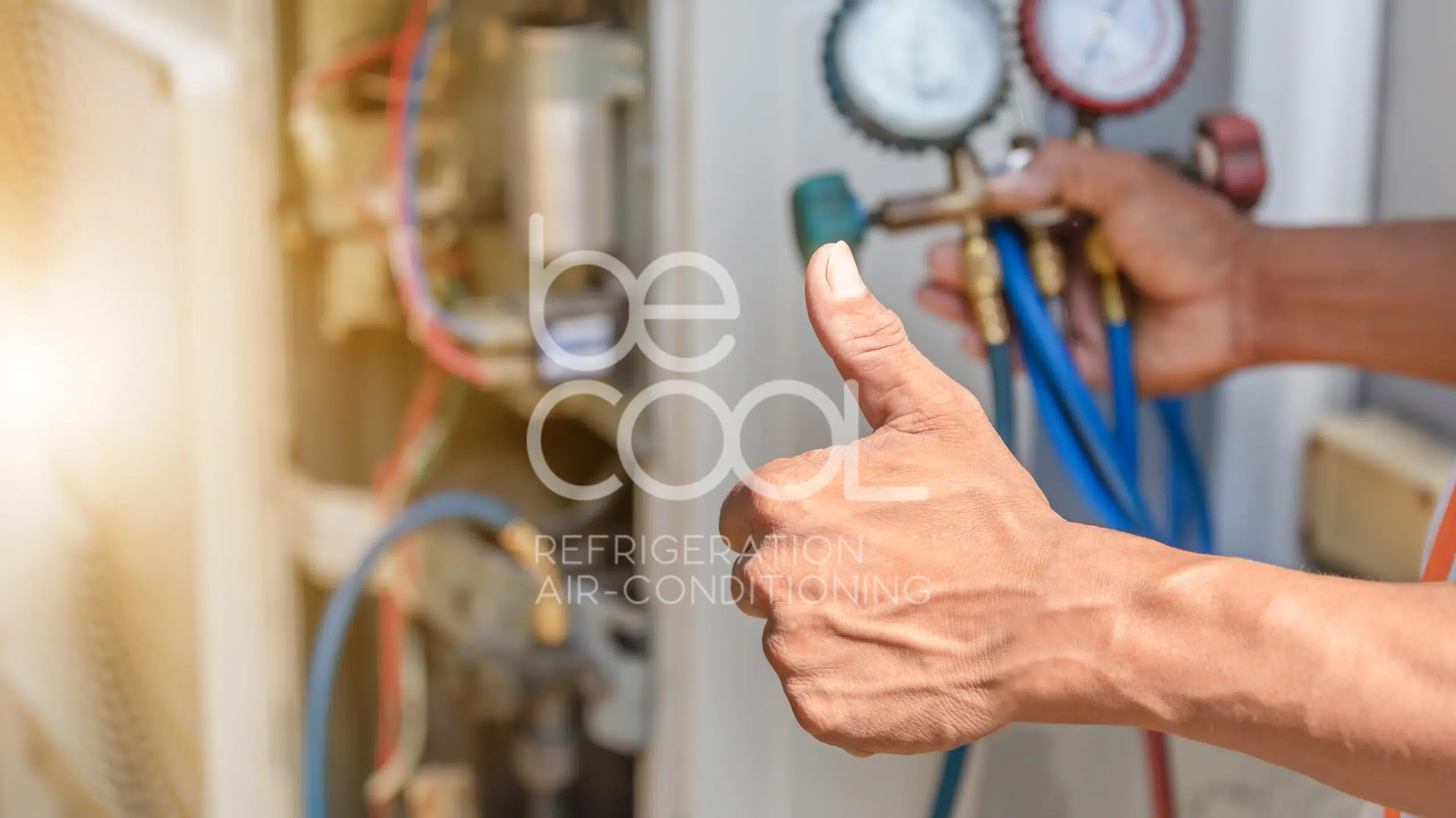
When your home air conditioning (AC) system breaks down, it can be more than just a minor inconvenience, especially in the middle of a heatwave. Knowing how to identify common causes of breakdowns, understanding preventive maintenance, and being aware of DIY repair tips can save you time and money. Whether you’re dealing with basic maintenance or looking for professional home AC repair services, this guide covers everything you need to know.
Common Causes of Home AC Breakdowns
Most AC systems fail due to a few common problems. Understanding these issues can help you diagnose the problem early:
➜ Refrigerant Leaks: If your AC isn’t cooling properly, a refrigerant leak might be the issue. This not only affects cooling but can also damage the system if left untreated.
➜ Dirty Filters: A clogged air filter blocks airflow, forcing the system to work harder, which can lead to overheating and eventual breakdown.
➜ Frozen Evaporator Coils: Lack of airflow or a dirty filter can cause evaporator coils to freeze. When coils are frozen, the AC can’t cool your home efficiently.
➜ Electrical Issues: Faulty wiring or failing capacitors can result in your AC system shutting down completely. Electrical components wear out over time, causing intermittent or complete power loss.
➜ Drainage Problems: Blocked drains or faulty pumps can lead to water leaks, which, in turn, cause damage to both the AC system and the surrounding area of your home.
➜ Compressor Problems: The compressor is the heart of your AC system. If it malfunctions, the AC won’t cool your home properly, and you may need professional repair or replacement.
Preventive Measures for Home AC Systems
Routine maintenance can prevent many of these issues from occurring. Here are some simple steps to keep your AC running smoothly:
➜ Regular Filter Changes: Check and replace your air filter every 1-3 months, depending on the manufacturer’s recommendations and usage.
➜ Clear the Area Around the Unit: Outdoor AC units need adequate airflow to work efficiently. Clear leaves, dirt, and debris from around the unit regularly.
➜ Schedule Annual Inspections: Have a professional HVAC technician inspect your system annually to ensure everything is working as it should. Early detection of minor issues can prevent larger problems down the road.
➜ Monitor Refrigerant Levels: Low refrigerant levels indicate a leak. Have a professional check for leaks and repair them immediately.
➜ Keep Coils Clean: Both the evaporator and condenser coils can collect dirt over time. Cleaning these regularly can improve system efficiency.
DIY Home AC Repair Tips
While it’s always best to call in professionals for major repairs, some basic troubleshooting and repairs can be done on your own:
❄ Check Your Thermostat Settings: Sometimes the issue is as simple as incorrect thermostat settings. Ensure the thermostat is set to “cool” and that the temperature setting is lower than the current room temperature.
❄ Reset the Circuit Breaker: If the AC system isn’t powering on, check the circuit breaker and reset it if necessary.
❄ Clean or Replace Air Filters: A quick replacement or cleaning of dirty filters can restore airflow and improve cooling performance.
❄ Check for Blockages in Vents: Make sure no furniture or objects are blocking your air vents, allowing proper air circulation throughout your home.
Get in Touch with us.
Best in London for Over 11 years

Written by
Ali Elm
Ali is the Head of Operations at Be Cool Refrigeration with over a decade of hands-on experience in HVAC and commercial refrigeration. He oversees every installation, repair, and maintenance project, making sure the work meets the highest standards. Ali holds full F-Gas certification and has worked across residential, commercial, and industrial refrigeration systems throughout London and the South East. When he is not on site, he writes these guides to help business owners and homeowners understand their cooling systems better.