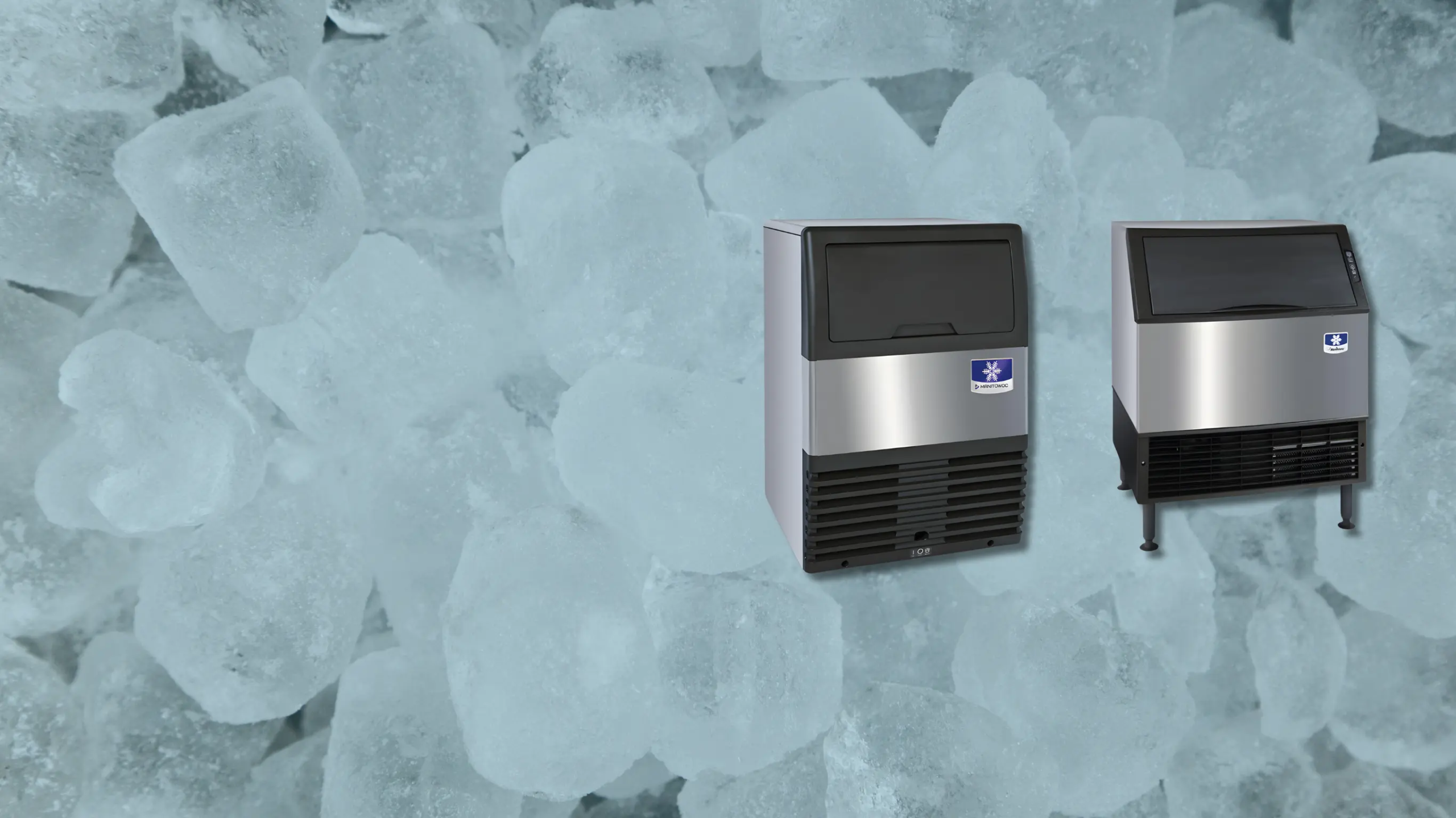
Running a bar, cafe or restaurant means a constant stream of jobs. Glassware, menus, staff rotas, stock deliveries, bookings. An ice machine often sits in the corner, humming away, until one day a customer spots something floating in a drink or the unit stops producing enough ice.
Regular cleaning keeps ice clear, safe and tasty. A clean unit also runs more efficiently, lasts longer and gives staff one less thing to worry about. Here is a practical cleaning schedule staff are able to follow without disrupting service.
Why Ice Machine Hygiene Matters
Every cube which drops into a bucket or glass touches internal surfaces, water pipes and storage bins. Over time, those areas collect scale, slime, mould and bacteria. Airborne flour from the kitchen, sticky fingers near the scoop and standing water in the bin all add to the problem.
Poor hygiene leads to:
- Cloudy, odd tasting ice
- Strong smells inside the bin
- Health inspection issues
- Extra strain on components, leading to breakdowns
A simple routine protects guests, staff and revenue.
Daily Tasks
Daily work focuses on contact points and quick checks.
- Empty and clean the scoop at the end of each shift. Store the scoop outside the bin in a clean holder, never buried in ice.
- Wipe handles, doors and external panels with food safe sanitiser.
- Check for unusual noises, leaks or alarms on the control panel.
- Make sure nothing blocks airflow around vents and grilles.
These small habits keep hygiene under control and help you spot early warning signs before the next rush.
Weekly Tasks
Once a week, plan a short window when demand for ice sits at a low level, for example early morning or mid afternoon.
- Empty the bin completely. Store remaining ice in clean food safe containers in a freezer if you need to keep some stock.
- Wash the inside of the bin with warm water and a mild detergent. Use a soft brush or cloth, not anything abrasive.
- Rinse thoroughly, then apply a food safe sanitiser, following the contact time on the label.
- Leave the lid open for full drying before switching the unit back on.
Weekly attention stops slime from building up and keeps odours away.
Monthly Tasks
Monthly cleaning reaches deeper parts of the system.
- Check the water filter. Replace cartridges based on manufacturer guidance or sooner where water quality is poor.
- Inspect inlet and outlet hoses for kinks, leaks or signs of wear.
- Vacuum dust from condenser grilles and nearby surfaces. A blocked condenser makes the compressor work harder and shortens component life.
- Wipe down the machine exterior and surrounding walls or counters so dust and grease do not move back onto the unit.
Plan monthly tasks on a quiet day and note the date in a log, either on paper or in a digital system.
Quarterly Deep Clean
Every three months, book a deeper clean, either in house with trained staff or with professional refrigeration engineers.
A deep clean normally covers:
- Running a manufacturer approved descaler through the system to remove limescale
- Disinfecting internal waterways and evaporator plates
- Checking thermostat performance and ice thickness settings
- Inspecting electrical connections and safety devices
- Testing the machine through a full production cycle
For busy venues or places which serve vulnerable guests, such as care homes, a quarterly visit from a qualified engineer offers strong peace of mind.
Signs Your Ice Machine Needs Extra Attention
Do not wait for the calendar where any of these signs appear:
- Ice looks cloudy or has white flakes
- Ice smells odd or affects drink taste
- Production slows down or stops
- Pools of water appear around the machine
- Alarms or warning lights appear on the display
Pause service, isolate power and water, and call an experienced commercial refrigeration company for advice.
How Be Cool Refrigeration Helps
Cleaning and basic checks reduce risk, yet mechanical parts still wear out. Fans fail, pumps seize and scales build up inside pipes where staff cannot see.
Be Cool Refrigeration engineers work with commercial ice machines across London and nearby counties. Services include:
- Planned maintenance visits built around your trading hours
- Emergency breakdown support, 24 hours where required
- Replacement of worn parts before they fail
- Advice on water treatment, filters and new ice machine options
Regular service from F-Gas certified specialists keeps ice clear, protects food safety ratings and saves money on energy and repairs over the life of the equipment.
Ready To Put A Plan In Place
A clear cleaning schedule turns ice machine care into a simple routine instead of a last minute panic. Pick daily, weekly, monthly and quarterly tasks from this guide, write them into staff checklists and log each visit.
For help with service, repairs or new ice machine installation in London, contact Be Cool Refrigeration today for friendly, expert support.
If you need a second post on sizing, repairs or breakdown signs, say so and I will write another one.

Written by
Ali Elm
Ali is the Head of Operations at Be Cool Refrigeration with over a decade of hands-on experience in HVAC and commercial refrigeration. He oversees every installation, repair, and maintenance project, making sure the work meets the highest standards. Ali holds full F-Gas certification and has worked across residential, commercial, and industrial refrigeration systems throughout London and the South East. When he is not on site, he writes these guides to help business owners and homeowners understand their cooling systems better.