Be Cool Refrigeration has helped UK homes and businesses stay comfortable since 2004. Our F‑Gas certified team installs, hires and maintains thousands of cooling systems every year. This guide distils two decades of field experience plus the insights from today’s top‑ranking resources into a single, practical handbook.
What Exactly Is “Portable Air Conditioning”?
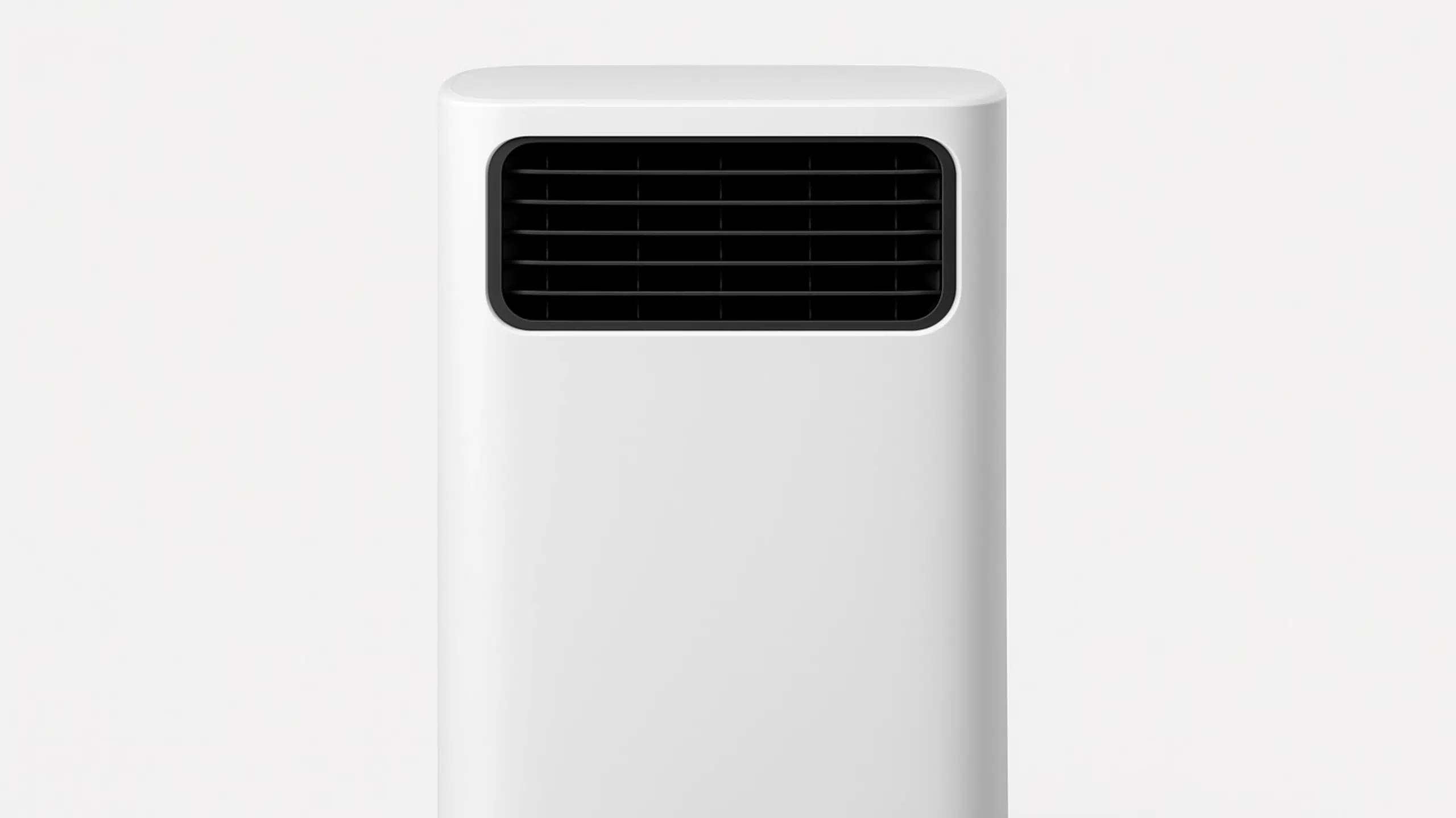
A portable air conditioner (PAC) is a self‑contained refrigeration system on castors that vents warm air outside via a hose. It’s ideal where:
- Windows won’t permit a fixed unit (listed buildings, rental flats).
- You need spot‑cooling for servers, events or pop‑up retail.
- You want the option to roll the unit into storage over winter.
Windows won’t permit a fixed unit (listed buildings, rental flats).
You need spot‑cooling for servers, events or pop‑up retail.
You want the option to roll the unit into storage over winter.
Recent buying guides highlight the flexibility of PACs for rooms that can’t accommodate window units or split systems , while noting they’re less efficient than fixed installs.
Do You Really Need One? Pros & Cons
| ✔ Advantages | ✖ Limitations |
|---|---|
| Quick DIY install (10‑15 min). | Louder (50–65 dB) than splits. |
| No drilling through walls. | Floor space occupied (plan ~0.3 m²). |
| Can move between rooms or sites. | Requires venting & regular draining. |
| Up‑front cost fraction of a split. | Lower efficiency (EER/SACC). |
How to Size Your Portable AC (BTU & SACC)
Quick BTU Rule of Thumb
20 BTU per square foot of floor area.
Room‑Size Chart (ASHRAE values)
| Floor Area (m²) | Typical UK Room | BTU Needed |
|---|---|---|
| 10–15 | Small bedroom / office | 8 000 |
| 16–25 | Double bedroom / lounge | 10 000 |
| 26–35 | Large lounge / studio | 12 000 |
| 35–50 | Open‑plan space | 14 000+ |
Weather.com’s 2025 guide offers a similar graduated table and stresses the risk of over‑buying BTUs.
Single‑Hose vs Dual‑Hose vs Hose‑in‑Hose
- Single hose: cheapest; draws indoor air for cooling, creating slight negative pressure.
- Dual hose: one intake, one exhaust; higher efficiency in larger rooms.
- Hose‑in‑hose (inverter): concentric design found on flagship models; best overall efficiency and noise ratings.
Single hose: cheapest; draws indoor air for cooling, creating slight negative pressure.
Dual hose: one intake, one exhaust; higher efficiency in larger rooms.
Hose‑in‑hose (inverter): concentric design found on flagship models; best overall efficiency and noise ratings.
Key Buying Factors in 2025
- SACC rating (DOE 2017), not just ASHRAE BTU.
- Energy label – look for A or better (EU) or ENERGY STAR®.
- Inverter compressor for variable‑speed, quieter running.
- Smart controls – Wi‑Fi / app / voice assistant integration.
- Drainage mode – self‑evaporative vs manual tank.
- Night mode – sub‑52 dB for bedrooms.
- Warranty & parts – minimum 2‑year UK parts/labour.
Best Portable Air Conditioners of 2025 (Our Field Picks)
| Category | Model* | Why We Like It |
|---|---|---|
| Best Overall | Carrier R290 3.5kW Mobile Air Conditioner | Hose‑in‑hose design, inverter efficiency, 51 dB on “Quiet”. Tested as “one of the quietest & most powerful” in BI’s 2025 roundup. |
| Best Budget | LG LP0621WSR 6 000 BTU | Reliable, energy‑efficient, under £350; perfect for box‑rooms. |
| Best Large‑Room | Whynter ARC‑14S Dual‑Hose 14 000 BTU | High SACC, activated‑carbon filter, handles 40 m² lounges. |
| Quietest | Friedrich ZoneAire ZCP12DB 12 000 BTU | 49 dB night mode, dual‑hose; ideal for nurseries or studios. |
| Best All‑Season | EcoFlow Wave 3 Heat‑Pump | Cools and heats, plus battery option for off‑grid vans. |
Step‑by‑Step Installation (10 min)
- Measure window – cut slider kit to length.
- Fit weather seal – critical for UK rain ingress.
- Attach hose (clockwise twist until airtight).
- Plug into dedicated 13 A socket (avoid extension leads).
- Set drain mode – tank or continuous hose.
- Run for 5 min — check exhaust temp > 40 °C, supply air < 16 °C drops.
Running Costs & Efficiency Tips
- Setpoint: Each °C above 21 °C saves ~7 % in energy.
- Seal gaps: Use the supplied window‑kit properly to avoid “cold‑air bleed”.
- Filter care: Rinse filters monthly to maintain airflow.
- Annual deep‑clean: Coil‑clean & refrigerant check for units in constant use.
- Off‑peak timers: Leverage smart apps to pre‑cool before peak tariffs.
Setpoint: Each °C above 21 °C saves ~7 % in energy.
Seal gaps: Use the supplied window‑kit properly to avoid “cold‑air bleed”.
Filter care: Rinse filters monthly to maintain airflow.
Annual deep‑clean: Coil‑clean & refrigerant check for units in constant use.
Off‑peak timers: Leverage smart apps to pre‑cool before peak tariffs.
Common Pitfalls We See on Call‑Outs
| Issue | Symptom | Fix |
|---|---|---|
| Kinked exhaust hose | Poor cooling / hot casing | Keep hose < 1.8 m, gentle bends. |
| No condensate drain | “Tank full” shutdown | Connect gravity hose or empty tank daily. |
| Unit hard against wall | Overheating, auto‑trip | Maintain 30 cm clearance all round. |
| Oversized BTU | Humid, clammy feel | Downsize or run dehumidify mode. |
FAQ's
Yes, unless it’s a true evaporative cooler (often marketed misleadingly). Proper venting prevents the unit fighting its own exhaust heat.
It can draw pollen in through cracks. Dual‑hose or hose‑in‑hose designs minimise this by keeping room pressure neutral.
The DOE’s 2025 compliance deadline applies to US sales, but EU Eco‑design updates are expected by 2026. Buy an A‑rated SACC unit now for future‑proofing.
About Be Cool Refrigeration
Founded in 2004, Be Cool is a family‑run HVAC specialist serving London, Surrey and the South‑East. Our engineers hold REFCOM and City & Guilds 2079 certifications, and we are proud members of SafeContractor and the Building Engineering Services Association (BESA).
Need help choosing or hiring a portable air conditioner? Call 02034881889 or send us an enquiry and we’ll match a unit to your space within 2 hours.

Written by
Ali Elm
Ali is the Head of Operations at Be Cool Refrigeration with over a decade of hands-on experience in HVAC and commercial refrigeration. He oversees every installation, repair, and maintenance project, making sure the work meets the highest standards. Ali holds full F-Gas certification and has worked across residential, commercial, and industrial refrigeration systems throughout London and the South East. When he is not on site, he writes these guides to help business owners and homeowners understand their cooling systems better.