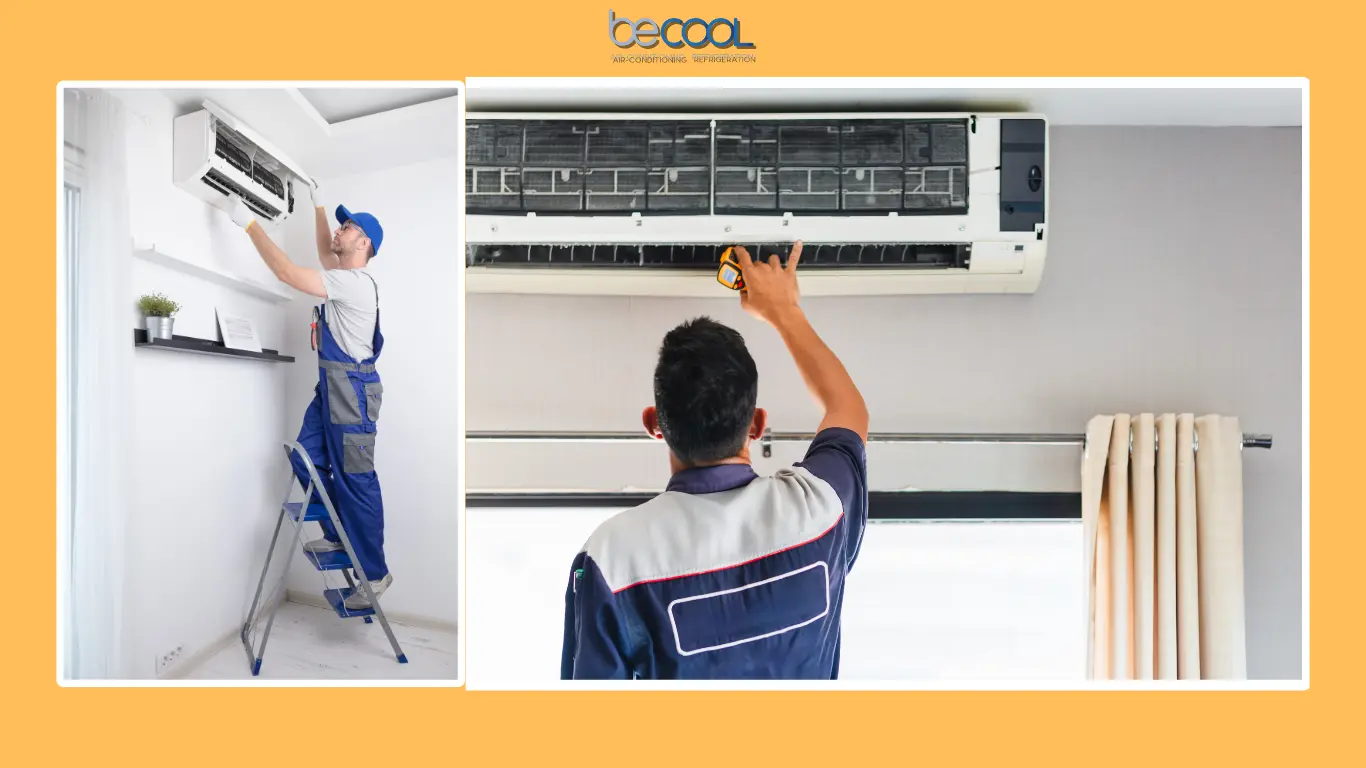
When considering cooling solutions for your home, split air conditioning systems offer an efficient and flexible option. In the UK, the installation cost for a single split air conditioner typically ranges from £1,500 to £2,500 for a double bedroom. For larger properties requiring a multi-split system across six rooms, expenses can escalate to between £5,000 and £9,000.
A split air conditioner consists of two main components: an indoor unit that distributes cool air and an outdoor unit housing the compressor. This design allows for quiet operation inside the home and efficient cooling of individual rooms.
Installation Costs in the UK
The cost of installing a split AC system depends on the number of rooms you want to cool, the size of each space, and the complexity of the installation. Here’s a breakdown of estimated costs based on the number of rooms:
- ➜ 1 Room (e.g., Double Bedroom): Installation typically costs between £1,500 and £2,500, depending on the unit’s capacity and features.➜ 2–3 Rooms (Small Home or Flat): A multi-split system for multiple rooms may range from £3,000 to £5,000, as it involves connecting multiple indoor units to one outdoor unit.➜ 4–6 Rooms (Larger Homes): For larger properties requiring extensive coverage, the cost can increase to between £5,000 and £9,000, depending on the number of units and the complexity of pipework.
- ➜ 1 Room (e.g., Double Bedroom): Installation typically costs between £1,500 and £2,500, depending on the unit’s capacity and features.
- ➜ 2–3 Rooms (Small Home or Flat): A multi-split system for multiple rooms may range from £3,000 to £5,000, as it involves connecting multiple indoor units to one outdoor unit.
- ➜ 4–6 Rooms (Larger Homes): For larger properties requiring extensive coverage, the cost can increase to between £5,000 and £9,000, depending on the number of units and the complexity of pipework.
These estimates include installation fees but can vary based on the specific brand, unit type, and additional features, such as energy efficiency or smart controls. Always consult a certified installer for a detailed quote tailored to your needs.
Energy Efficiency and Running Costs
Split air conditioners are highly energy-efficient, making them an economical choice for cooling and heating. On average, running a split AC system costs around £3 for a full 24-hour period, depending on the unit’s energy rating and usage. In comparison, ducted systems can cost over £1 per hour, which significantly increases daily expenses.
This efficiency can result in energy savings of 20–30% over traditional cooling systems, helping homeowners and businesses reduce their overall energy bills while maintaining comfort.
Benefits of Split AC Systems
- ✔︎ Zoned Cooling: Cool individual rooms as needed, enhancing comfort and reducing energy waste.
- ✔︎ Quiet Operation: With the compressor located outside, indoor noise levels are minimal.
- ✔︎ Aesthetic Appeal: Wall-mounted indoor units are sleek and unobtrusive, blending seamlessly with interior decor.
Installation Considerations
Proper installation is essential to maximise the performance, efficiency, and lifespan of your split AC system. Hiring a certified professional ensures the setup complies with UK regulations and meets safety standards. Here are the key factors to consider during installation:
- ● Placement of Indoor Units: Indoor units should be mounted in areas with unobstructed airflow, ideally at a height of 7–8 feet, to ensure even cooling throughout the room. Avoid installing units near heat sources or direct sunlight, which can affect performance.● Outdoor Unit Location: The outdoor unit should be placed in a well-ventilated area with enough space around it for heat dissipation. Avoid crowded spaces or areas prone to debris accumulation, as this can impact efficiency.● Routing of Refrigerant Lines: Proper routing and insulation of refrigerant lines are crucial to prevent energy loss and maintain cooling performance. Lines should be as short and direct as possible.● Electrical Connections: Ensure the system is connected to a dedicated circuit and has proper grounding to prevent electrical issues. This is especially important for safety and compliance with UK electrical codes.● Drainage System: Adequate drainage for the indoor unit is necessary to prevent water leakage or damage. Ensure the condensate drain line is installed at a slight slope to allow smooth water flow.● Noise Considerations: Both the indoor and outdoor units should be installed in areas where noise levels won’t disrupt daily activities or disturb neighbours. Anti-vibration mounts can help minimise noise.● Wall and Ceiling Strength: For wall-mounted units, ensure the mounting surface is strong enough to support the unit’s weight. This is especially important in older buildings.● Accessibility for Maintenance: Position the units in a way that allows easy access for future servicing, cleaning, and maintenance.
- ● Placement of Indoor Units: Indoor units should be mounted in areas with unobstructed airflow, ideally at a height of 7–8 feet, to ensure even cooling throughout the room. Avoid installing units near heat sources or direct sunlight, which can affect performance.
- ● Outdoor Unit Location: The outdoor unit should be placed in a well-ventilated area with enough space around it for heat dissipation. Avoid crowded spaces or areas prone to debris accumulation, as this can impact efficiency.
- ● Routing of Refrigerant Lines: Proper routing and insulation of refrigerant lines are crucial to prevent energy loss and maintain cooling performance. Lines should be as short and direct as possible.
- ● Electrical Connections: Ensure the system is connected to a dedicated circuit and has proper grounding to prevent electrical issues. This is especially important for safety and compliance with UK electrical codes.
- ● Drainage System: Adequate drainage for the indoor unit is necessary to prevent water leakage or damage. Ensure the condensate drain line is installed at a slight slope to allow smooth water flow.
- ● Noise Considerations: Both the indoor and outdoor units should be installed in areas where noise levels won’t disrupt daily activities or disturb neighbours. Anti-vibration mounts can help minimise noise.
- ● Wall and Ceiling Strength: For wall-mounted units, ensure the mounting surface is strong enough to support the unit’s weight. This is especially important in older buildings.
- ● Accessibility for Maintenance: Position the units in a way that allows easy access for future servicing, cleaning, and maintenance.
Considering these factors during installation ensures that your split AC system operates efficiently and provides optimal cooling and heating for years to come.
Maintenance Tips
Regular maintenance extends the lifespan of your split AC system and maintains its efficiency. Key practices include:
- 🟡 Filter Cleaning: Clean or replace filters every three months to ensure proper airflow and air quality.
- 🟡 Professional Servicing: Schedule annual check-ups with a qualified technician to inspect and service the system.
- 🟡 Outdoor Unit Care: Keep the outdoor unit free from debris and ensure it has adequate ventilation.
Investing in a split air conditioning system provides a cost-effective and efficient cooling solution for UK homes. By understanding the associated costs, benefits, and maintenance requirements, you can make an informed decision that enhances your home’s comfort and energy efficiency.
Get your Split AC installed today
Install Experts since 2004 with over 50K Installations completed till date
UK Regulations for Air Conditioning Installation
Before installing air conditioning in the UK, there are several regulations to consider:
- UK Government: Air conditioning inspections - Systems over 12kW require periodic inspections by accredited assessors.
- Planning Portal: Heating and cooling - Whether you need planning permission for external AC units.
- UK Government: F-Gas regulations - Installation must be carried out by F-Gas certified engineers.
- Building Regulations Part L - Energy efficiency requirements for heating and cooling systems in buildings.

Written by
Ali Elm
Ali is the Head of Operations at Be Cool Refrigeration with over a decade of hands-on experience in HVAC and commercial refrigeration. He oversees every installation, repair, and maintenance project, making sure the work meets the highest standards. Ali holds full F-Gas certification and has worked across residential, commercial, and industrial refrigeration systems throughout London and the South East. When he is not on site, he writes these guides to help business owners and homeowners understand their cooling systems better.