London's Trusted Engineers Since 2004
Air Conditioning &
Commercial Refrigeration
Professional installation, repair and maintenance services for homes and businesses across London. F-Gas certified engineers available 24/7.
Trusted by Leading Brands












What We Do
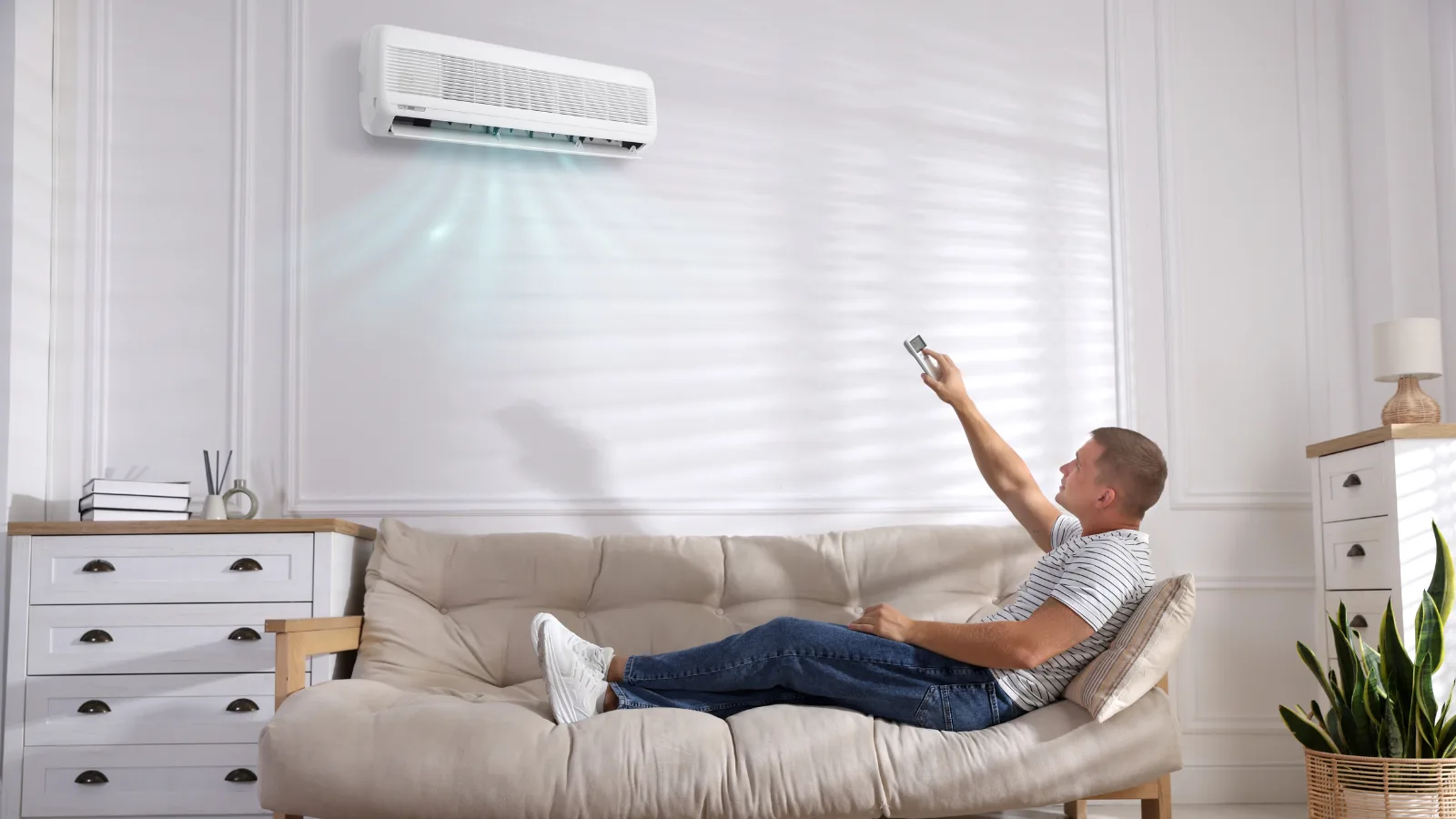
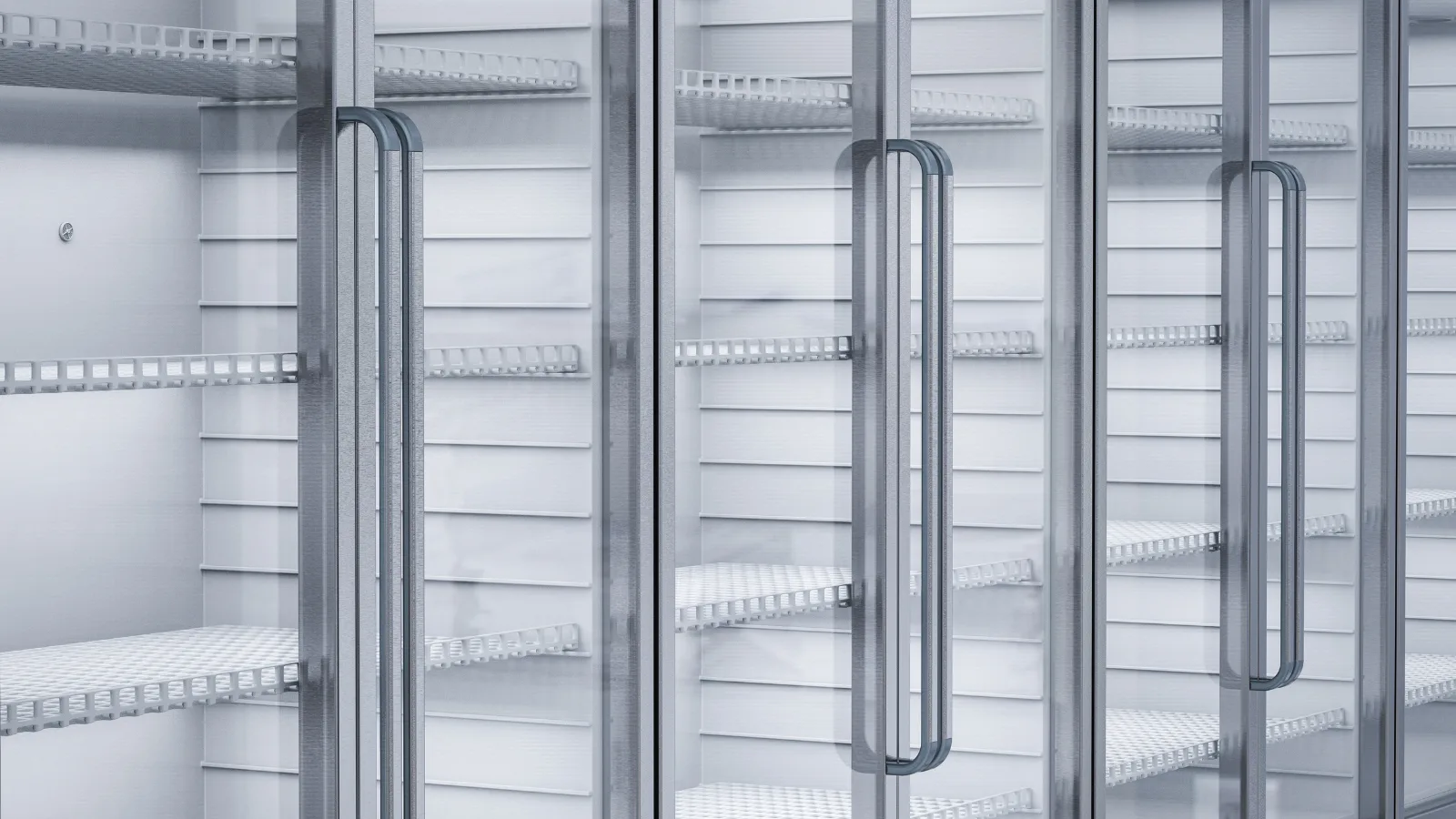
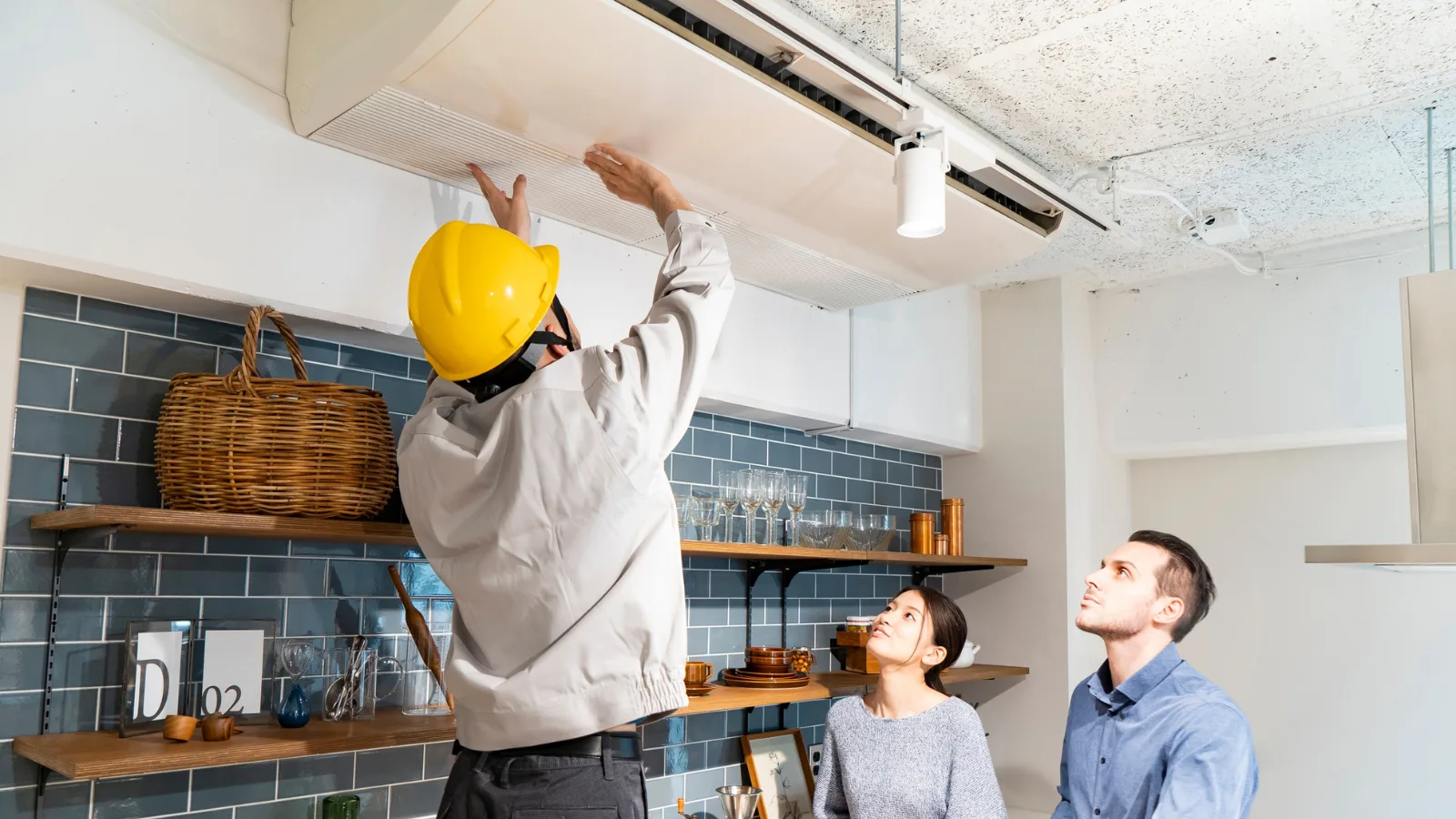
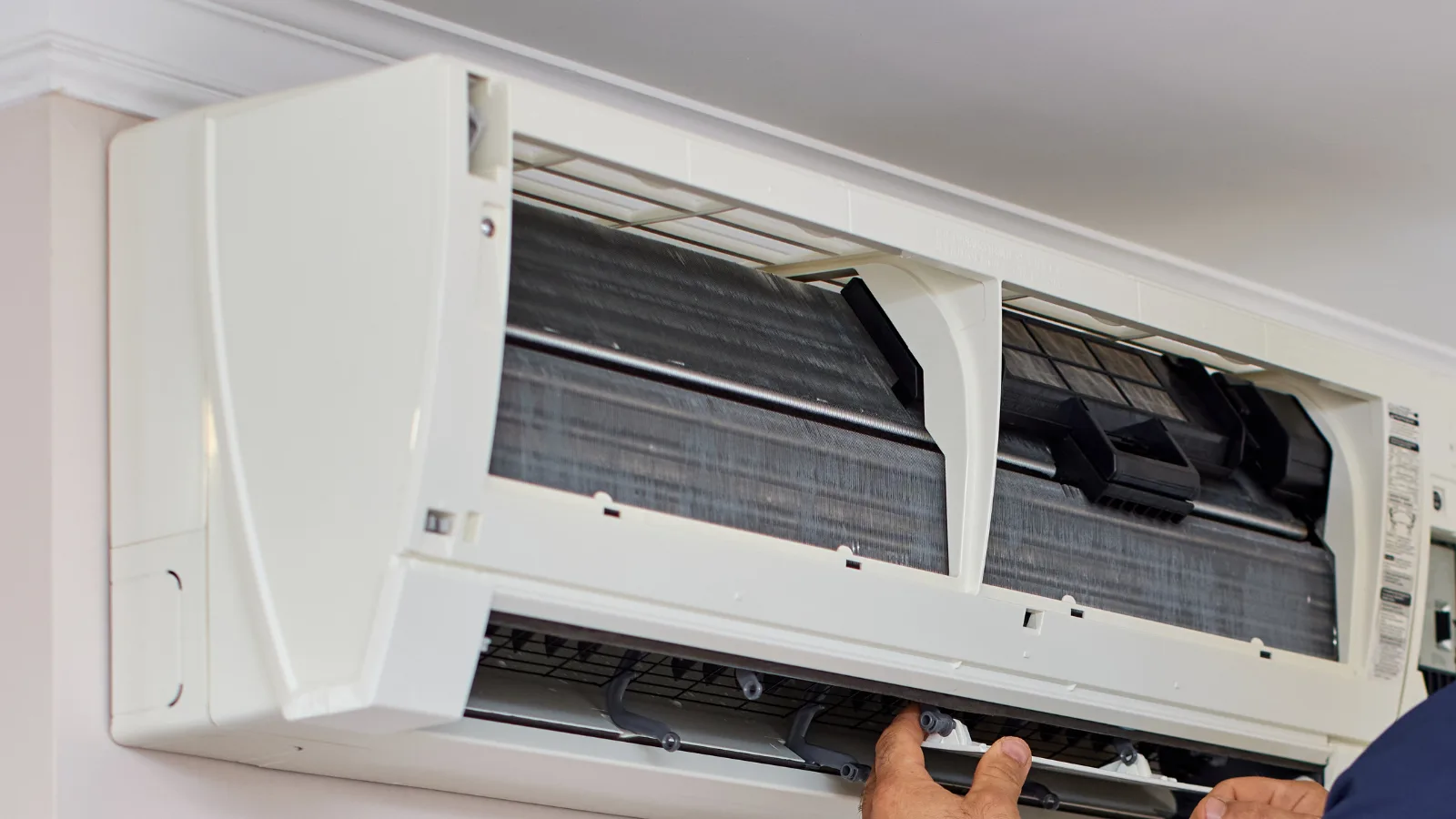
Air Conditioning & Commercial Refrigeration Services
Professional installation, repair and maintenance for homes, restaurants and commercial buildings across London.
20+ Years
Experience
2,000+
Projects Completed
London Wide
Coverage
24/7
Emergency Support
Need AC or Refrigeration Help?
Brands We Install, Service & Repair

























Trusted by 500+ businesses
Why Be Cool
The Be Cool Difference
We don't just fix systems — we build lasting relationships with every client through honest pricing, expert service, and round-the-clock support.
F-Gas Certified Engineers
Every member of our team holds a valid F-Gas certificate. We handle refrigerants safely and in full compliance with UK regulations — no exceptions.
Transparent, Fixed Pricing
No hidden call-out fees, no surprises. We quote before we start, and that is the price you pay. If we find something unexpected, we discuss it with you first.
24/7 Emergency Response
Breakdowns don't wait for Monday morning. Our engineers are on call around the clock, and we aim to reach you within 2 hours for emergencies across London.
20+ Years, One Standard
Since 2004, we have maintained the same exacting standard on every job — from a single split unit in a flat to a cold room build for a restaurant chain.
About Be Cool
London's Trusted EngineersSince 2004
Be Cool Refrigeration has been providing exceptional air conditioning and commercial refrigeration services across London for over 20 years. From landmark venues like the O2 Arena to independent restaurants and residential properties, our F-Gas certified engineers deliver reliable, efficient solutions at every scale.
With over 2,000 projects completed, we've earned the trust of London's businesses through transparent pricing, expert workmanship, and genuine aftercare that keeps your systems running year after year.
Learn More About Us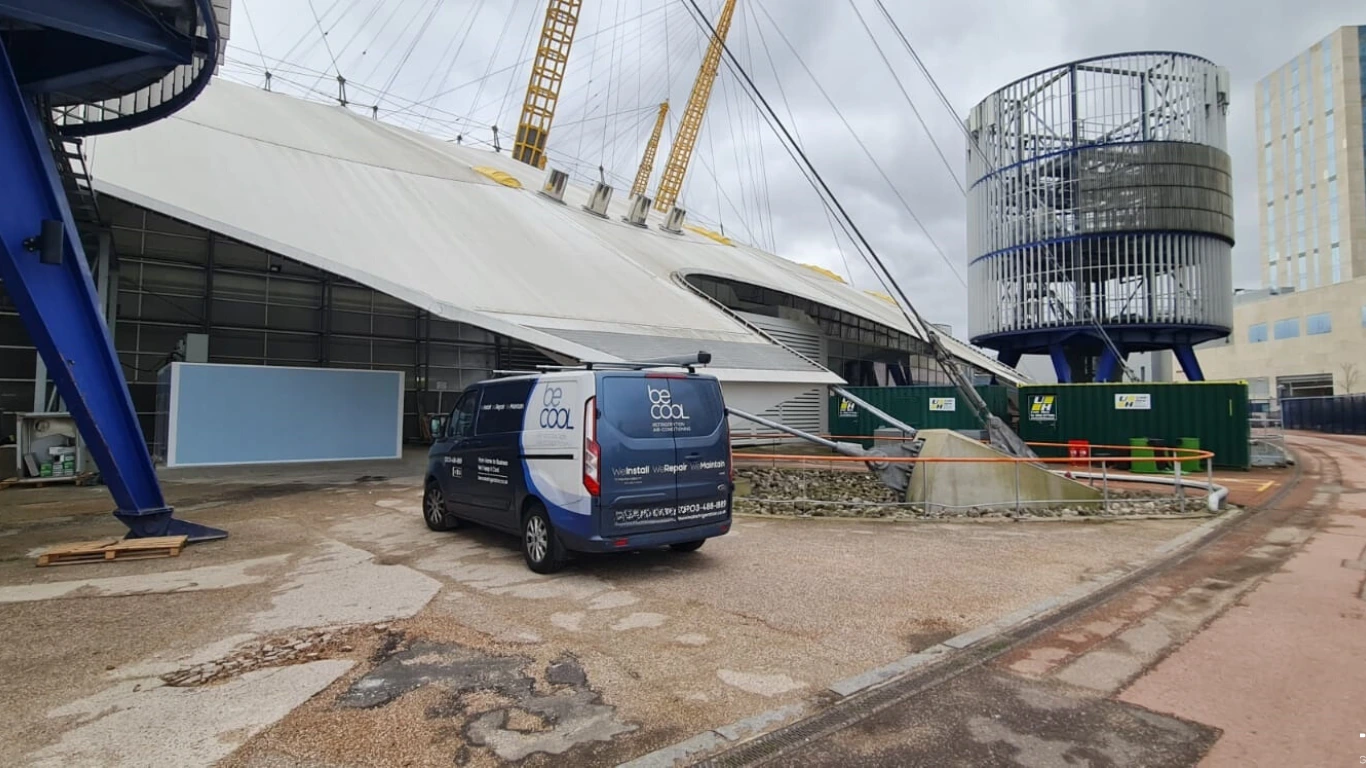
20+
Years of
Excellence
F-Gas Certified
2000+
Projects
What Our Clients Say
Trusted Across London
Don't just take our word for it, hear from the businesses and homeowners we've helped.
5.0Google Reviews“I spoke with Danny this morning who gave me immediate, clear and supportive advice on a problem with a Daikin unit. No sense of trying to angle for a call-out and I’d be comfortable calling should that ultimately be necessary. https://becoolrefrigeration.co.uk/wp-content/uploads/2025/08/Be-Cool-Logo-New-H-scaled-e1754317994927.webp 0 0 Be Cool Refrigeration https://becoolrefrigeration.co.uk/wp-content/uploads/2025/08/Be-Cool-Logo-New-H-scaled-e1754317994927.webp Be Cool Refrigeration2024-08-02 12:23:062024-08-02 12:23:06Helpful immediate advice”
Helpful immediate advice
“I would like to thank the Be Cool team for the excellent service I have received since I phoned on Saturday. Be Cool did everything they said they would. Someone called me back first thing on Monday morning and sent a very polite, excellent engineer on Tuesday who fixed what has been a nagging problem for far too long. I would give you 100 stars and not just the standard 5. I very much appreciated the phone call giving me notice that the engineer would arrive in one hour. In this day and age a company with the Be Cool level of service is rare indeed. What’s more everyone I spoke to on the phone was charming, as was the engineer. Everyone could not have been more helpful. I live in hope that there will be a swift return to this level of service which I have not received for a very long time. Congratulations! https://becoolrefrigeration.co.uk/wp-content/uploads/2025/08/Be-Cool-Logo-New-H-scaled-e1754317994927.webp 0 0 Be Cool Refrigeration https://becoolrefrigeration.co.uk/wp-content/uploads/2025/08/Be-Cool-Logo-New-H-scaled-e1754317994927.webp Be Cool Refrigeration2024-01-30 21:53:132024-01-30 21:53:13In this day and age a company with the Be Cool level of service is rare indeed.”
In this day and age a company with the Be Cool level of service is rare indeed.
“Be Cool did a fantastic job fitting our AC domestic unit. From helping us select the right system to guidance on how to use it, helpful and professional approach was very much appreciated. First class service backed up by regular calls to keep us updated on delivery and fitting schedule ⭐️⭐️⭐️⭐️⭐️ https://becoolrefrigeration.co.uk/wp-content/uploads/2025/08/Be-Cool-Logo-New-H-scaled-e1754317994927.webp 0 0 Be Cool Refrigeration https://becoolrefrigeration.co.uk/wp-content/uploads/2025/08/Be-Cool-Logo-New-H-scaled-e1754317994927.webp Be Cool Refrigeration2023-12-29 13:38:432023-12-29 13:38:43Excellent, professional service 0 replies Leave a ReplyWant to join the discussion?Feel free to contribute! Leave a Reply Cancel reply”
Excellent, professional service
“We have used Be Cool several times in the last few months. Very friendly proactive staff and engineers can make repairs on site which is extremely useful.https://becoolrefrigeration.co.uk/wp-content/uploads/2025/08/Be-Cool-Logo-New-H-scaled-e1754317994927.webp00Be Cool Refrigerationhttps://becoolrefrigeration.co.uk/wp-content/uploads/2025/08/Be-Cool-Logo-New-H-scaled-e1754317994927.webpBe Cool Refrigeration2023-02-08 14:35:362023-02-08 14:35:36Excellent on-going service0repliesLeave a ReplyWant to join the discussion?Feel free to contribute!Leave a Reply Cancel reply”
Excellent on-going service
“Very helpfull. Thank you so much!!https://becoolrefrigeration.co.uk/wp-content/uploads/2025/08/Be-Cool-Logo-New-H-scaled-e1754317994927.webp00Be Cool Refrigerationhttps://becoolrefrigeration.co.uk/wp-content/uploads/2025/08/Be-Cool-Logo-New-H-scaled-e1754317994927.webpBe Cool Refrigeration2021-02-05 09:44:372021-02-05 09:44:37Very helpfull. Thank you0repliesLeave a ReplyWant to join the discussion?Feel free to contribute!Leave a Reply Cancel reply”
Very helpfull. Thank you
“We used BeCool Ltd. to install new air conditioning in one of our 800sqm London venues. Top class! This was a big project but took little over two weeks. From the initial consultation to the handover, nothing was too much. The professionalism and quality of work was second to none. Following that, we used them to upgrade the air conditioning in our second London venue. Could not fault Ali and his team and BeCool Ltd is now our go-to place for AC and refrigeration. Thanks!https://becoolrefrigeration.co.uk/wp-content/uploads/2020/03/Ballie-Ballerson.png300300Be Cool Refrigerationhttps://becoolrefrigeration.co.uk/wp-content/uploads/2025/08/Be-Cool-Logo-New-H-scaled-e1754317994927.webpBe Cool Refrigeration2020-03-14 14:03:322020-03-14 14:03:32The professionalism and quality of work was second to none!”
The professionalism and quality of work was second to none!
“I spoke with Danny this morning who gave me immediate, clear and supportive advice on a problem with a Daikin unit. No sense of trying to angle for a call-out and I’d be comfortable calling should that ultimately be necessary. https://becoolrefrigeration.co.uk/wp-content/uploads/2025/08/Be-Cool-Logo-New-H-scaled-e1754317994927.webp 0 0 Be Cool Refrigeration https://becoolrefrigeration.co.uk/wp-content/uploads/2025/08/Be-Cool-Logo-New-H-scaled-e1754317994927.webp Be Cool Refrigeration2024-08-02 12:23:062024-08-02 12:23:06Helpful immediate advice”
Helpful immediate advice
“I would like to thank the Be Cool team for the excellent service I have received since I phoned on Saturday. Be Cool did everything they said they would. Someone called me back first thing on Monday morning and sent a very polite, excellent engineer on Tuesday who fixed what has been a nagging problem for far too long. I would give you 100 stars and not just the standard 5. I very much appreciated the phone call giving me notice that the engineer would arrive in one hour. In this day and age a company with the Be Cool level of service is rare indeed. What’s more everyone I spoke to on the phone was charming, as was the engineer. Everyone could not have been more helpful. I live in hope that there will be a swift return to this level of service which I have not received for a very long time. Congratulations! https://becoolrefrigeration.co.uk/wp-content/uploads/2025/08/Be-Cool-Logo-New-H-scaled-e1754317994927.webp 0 0 Be Cool Refrigeration https://becoolrefrigeration.co.uk/wp-content/uploads/2025/08/Be-Cool-Logo-New-H-scaled-e1754317994927.webp Be Cool Refrigeration2024-01-30 21:53:132024-01-30 21:53:13In this day and age a company with the Be Cool level of service is rare indeed.”
In this day and age a company with the Be Cool level of service is rare indeed.
“Be Cool did a fantastic job fitting our AC domestic unit. From helping us select the right system to guidance on how to use it, helpful and professional approach was very much appreciated. First class service backed up by regular calls to keep us updated on delivery and fitting schedule ⭐️⭐️⭐️⭐️⭐️ https://becoolrefrigeration.co.uk/wp-content/uploads/2025/08/Be-Cool-Logo-New-H-scaled-e1754317994927.webp 0 0 Be Cool Refrigeration https://becoolrefrigeration.co.uk/wp-content/uploads/2025/08/Be-Cool-Logo-New-H-scaled-e1754317994927.webp Be Cool Refrigeration2023-12-29 13:38:432023-12-29 13:38:43Excellent, professional service 0 replies Leave a ReplyWant to join the discussion?Feel free to contribute! Leave a Reply Cancel reply”
Excellent, professional service
“We have used Be Cool several times in the last few months. Very friendly proactive staff and engineers can make repairs on site which is extremely useful.https://becoolrefrigeration.co.uk/wp-content/uploads/2025/08/Be-Cool-Logo-New-H-scaled-e1754317994927.webp00Be Cool Refrigerationhttps://becoolrefrigeration.co.uk/wp-content/uploads/2025/08/Be-Cool-Logo-New-H-scaled-e1754317994927.webpBe Cool Refrigeration2023-02-08 14:35:362023-02-08 14:35:36Excellent on-going service0repliesLeave a ReplyWant to join the discussion?Feel free to contribute!Leave a Reply Cancel reply”
Excellent on-going service
“Very helpfull. Thank you so much!!https://becoolrefrigeration.co.uk/wp-content/uploads/2025/08/Be-Cool-Logo-New-H-scaled-e1754317994927.webp00Be Cool Refrigerationhttps://becoolrefrigeration.co.uk/wp-content/uploads/2025/08/Be-Cool-Logo-New-H-scaled-e1754317994927.webpBe Cool Refrigeration2021-02-05 09:44:372021-02-05 09:44:37Very helpfull. Thank you0repliesLeave a ReplyWant to join the discussion?Feel free to contribute!Leave a Reply Cancel reply”
Very helpfull. Thank you
“We used BeCool Ltd. to install new air conditioning in one of our 800sqm London venues. Top class! This was a big project but took little over two weeks. From the initial consultation to the handover, nothing was too much. The professionalism and quality of work was second to none. Following that, we used them to upgrade the air conditioning in our second London venue. Could not fault Ali and his team and BeCool Ltd is now our go-to place for AC and refrigeration. Thanks!https://becoolrefrigeration.co.uk/wp-content/uploads/2020/03/Ballie-Ballerson.png300300Be Cool Refrigerationhttps://becoolrefrigeration.co.uk/wp-content/uploads/2025/08/Be-Cool-Logo-New-H-scaled-e1754317994927.webpBe Cool Refrigeration2020-03-14 14:03:322020-03-14 14:03:32The professionalism and quality of work was second to none!”
The professionalism and quality of work was second to none!
“I spoke with Danny this morning who gave me immediate, clear and supportive advice on a problem with a Daikin unit. No sense of trying to angle for a call-out and I’d be comfortable calling should that ultimately be necessary. https://becoolrefrigeration.co.uk/wp-content/uploads/2025/08/Be-Cool-Logo-New-H-scaled-e1754317994927.webp 0 0 Be Cool Refrigeration https://becoolrefrigeration.co.uk/wp-content/uploads/2025/08/Be-Cool-Logo-New-H-scaled-e1754317994927.webp Be Cool Refrigeration2024-08-02 12:23:062024-08-02 12:23:06Helpful immediate advice”
Helpful immediate advice
“I would like to thank the Be Cool team for the excellent service I have received since I phoned on Saturday. Be Cool did everything they said they would. Someone called me back first thing on Monday morning and sent a very polite, excellent engineer on Tuesday who fixed what has been a nagging problem for far too long. I would give you 100 stars and not just the standard 5. I very much appreciated the phone call giving me notice that the engineer would arrive in one hour. In this day and age a company with the Be Cool level of service is rare indeed. What’s more everyone I spoke to on the phone was charming, as was the engineer. Everyone could not have been more helpful. I live in hope that there will be a swift return to this level of service which I have not received for a very long time. Congratulations! https://becoolrefrigeration.co.uk/wp-content/uploads/2025/08/Be-Cool-Logo-New-H-scaled-e1754317994927.webp 0 0 Be Cool Refrigeration https://becoolrefrigeration.co.uk/wp-content/uploads/2025/08/Be-Cool-Logo-New-H-scaled-e1754317994927.webp Be Cool Refrigeration2024-01-30 21:53:132024-01-30 21:53:13In this day and age a company with the Be Cool level of service is rare indeed.”
In this day and age a company with the Be Cool level of service is rare indeed.
“Be Cool did a fantastic job fitting our AC domestic unit. From helping us select the right system to guidance on how to use it, helpful and professional approach was very much appreciated. First class service backed up by regular calls to keep us updated on delivery and fitting schedule ⭐️⭐️⭐️⭐️⭐️ https://becoolrefrigeration.co.uk/wp-content/uploads/2025/08/Be-Cool-Logo-New-H-scaled-e1754317994927.webp 0 0 Be Cool Refrigeration https://becoolrefrigeration.co.uk/wp-content/uploads/2025/08/Be-Cool-Logo-New-H-scaled-e1754317994927.webp Be Cool Refrigeration2023-12-29 13:38:432023-12-29 13:38:43Excellent, professional service 0 replies Leave a ReplyWant to join the discussion?Feel free to contribute! Leave a Reply Cancel reply”
Excellent, professional service
“We have used Be Cool several times in the last few months. Very friendly proactive staff and engineers can make repairs on site which is extremely useful.https://becoolrefrigeration.co.uk/wp-content/uploads/2025/08/Be-Cool-Logo-New-H-scaled-e1754317994927.webp00Be Cool Refrigerationhttps://becoolrefrigeration.co.uk/wp-content/uploads/2025/08/Be-Cool-Logo-New-H-scaled-e1754317994927.webpBe Cool Refrigeration2023-02-08 14:35:362023-02-08 14:35:36Excellent on-going service0repliesLeave a ReplyWant to join the discussion?Feel free to contribute!Leave a Reply Cancel reply”
Excellent on-going service
“Very helpfull. Thank you so much!!https://becoolrefrigeration.co.uk/wp-content/uploads/2025/08/Be-Cool-Logo-New-H-scaled-e1754317994927.webp00Be Cool Refrigerationhttps://becoolrefrigeration.co.uk/wp-content/uploads/2025/08/Be-Cool-Logo-New-H-scaled-e1754317994927.webpBe Cool Refrigeration2021-02-05 09:44:372021-02-05 09:44:37Very helpfull. Thank you0repliesLeave a ReplyWant to join the discussion?Feel free to contribute!Leave a Reply Cancel reply”
Very helpfull. Thank you
“We used BeCool Ltd. to install new air conditioning in one of our 800sqm London venues. Top class! This was a big project but took little over two weeks. From the initial consultation to the handover, nothing was too much. The professionalism and quality of work was second to none. Following that, we used them to upgrade the air conditioning in our second London venue. Could not fault Ali and his team and BeCool Ltd is now our go-to place for AC and refrigeration. Thanks!https://becoolrefrigeration.co.uk/wp-content/uploads/2020/03/Ballie-Ballerson.png300300Be Cool Refrigerationhttps://becoolrefrigeration.co.uk/wp-content/uploads/2025/08/Be-Cool-Logo-New-H-scaled-e1754317994927.webpBe Cool Refrigeration2020-03-14 14:03:322020-03-14 14:03:32The professionalism and quality of work was second to none!”
The professionalism and quality of work was second to none!
“I spoke with Danny this morning who gave me immediate, clear and supportive advice on a problem with a Daikin unit. No sense of trying to angle for a call-out and I’d be comfortable calling should that ultimately be necessary. https://becoolrefrigeration.co.uk/wp-content/uploads/2025/08/Be-Cool-Logo-New-H-scaled-e1754317994927.webp 0 0 Be Cool Refrigeration https://becoolrefrigeration.co.uk/wp-content/uploads/2025/08/Be-Cool-Logo-New-H-scaled-e1754317994927.webp Be Cool Refrigeration2024-08-02 12:23:062024-08-02 12:23:06Helpful immediate advice”
Helpful immediate advice
“I would like to thank the Be Cool team for the excellent service I have received since I phoned on Saturday. Be Cool did everything they said they would. Someone called me back first thing on Monday morning and sent a very polite, excellent engineer on Tuesday who fixed what has been a nagging problem for far too long. I would give you 100 stars and not just the standard 5. I very much appreciated the phone call giving me notice that the engineer would arrive in one hour. In this day and age a company with the Be Cool level of service is rare indeed. What’s more everyone I spoke to on the phone was charming, as was the engineer. Everyone could not have been more helpful. I live in hope that there will be a swift return to this level of service which I have not received for a very long time. Congratulations! https://becoolrefrigeration.co.uk/wp-content/uploads/2025/08/Be-Cool-Logo-New-H-scaled-e1754317994927.webp 0 0 Be Cool Refrigeration https://becoolrefrigeration.co.uk/wp-content/uploads/2025/08/Be-Cool-Logo-New-H-scaled-e1754317994927.webp Be Cool Refrigeration2024-01-30 21:53:132024-01-30 21:53:13In this day and age a company with the Be Cool level of service is rare indeed.”
In this day and age a company with the Be Cool level of service is rare indeed.
“Be Cool did a fantastic job fitting our AC domestic unit. From helping us select the right system to guidance on how to use it, helpful and professional approach was very much appreciated. First class service backed up by regular calls to keep us updated on delivery and fitting schedule ⭐️⭐️⭐️⭐️⭐️ https://becoolrefrigeration.co.uk/wp-content/uploads/2025/08/Be-Cool-Logo-New-H-scaled-e1754317994927.webp 0 0 Be Cool Refrigeration https://becoolrefrigeration.co.uk/wp-content/uploads/2025/08/Be-Cool-Logo-New-H-scaled-e1754317994927.webp Be Cool Refrigeration2023-12-29 13:38:432023-12-29 13:38:43Excellent, professional service 0 replies Leave a ReplyWant to join the discussion?Feel free to contribute! Leave a Reply Cancel reply”
Excellent, professional service
“We have used Be Cool several times in the last few months. Very friendly proactive staff and engineers can make repairs on site which is extremely useful.https://becoolrefrigeration.co.uk/wp-content/uploads/2025/08/Be-Cool-Logo-New-H-scaled-e1754317994927.webp00Be Cool Refrigerationhttps://becoolrefrigeration.co.uk/wp-content/uploads/2025/08/Be-Cool-Logo-New-H-scaled-e1754317994927.webpBe Cool Refrigeration2023-02-08 14:35:362023-02-08 14:35:36Excellent on-going service0repliesLeave a ReplyWant to join the discussion?Feel free to contribute!Leave a Reply Cancel reply”
Excellent on-going service
“Very helpfull. Thank you so much!!https://becoolrefrigeration.co.uk/wp-content/uploads/2025/08/Be-Cool-Logo-New-H-scaled-e1754317994927.webp00Be Cool Refrigerationhttps://becoolrefrigeration.co.uk/wp-content/uploads/2025/08/Be-Cool-Logo-New-H-scaled-e1754317994927.webpBe Cool Refrigeration2021-02-05 09:44:372021-02-05 09:44:37Very helpfull. Thank you0repliesLeave a ReplyWant to join the discussion?Feel free to contribute!Leave a Reply Cancel reply”
Very helpfull. Thank you
“We used BeCool Ltd. to install new air conditioning in one of our 800sqm London venues. Top class! This was a big project but took little over two weeks. From the initial consultation to the handover, nothing was too much. The professionalism and quality of work was second to none. Following that, we used them to upgrade the air conditioning in our second London venue. Could not fault Ali and his team and BeCool Ltd is now our go-to place for AC and refrigeration. Thanks!https://becoolrefrigeration.co.uk/wp-content/uploads/2020/03/Ballie-Ballerson.png300300Be Cool Refrigerationhttps://becoolrefrigeration.co.uk/wp-content/uploads/2025/08/Be-Cool-Logo-New-H-scaled-e1754317994927.webpBe Cool Refrigeration2020-03-14 14:03:322020-03-14 14:03:32The professionalism and quality of work was second to none!”
The professionalism and quality of work was second to none!
“Came out quickly – fixed it on the same day. In a world of “you get what you pay for”, their prices are very reasonable. I hope I won’t need their services again, but if I do – will call them first thing. https://becoolrefrigeration.co.uk/wp-content/uploads/2020/03/Canada-Water-Detal-Health.jpg 300 300 Be Cool Refrigeration https://becoolrefrigeration.co.uk/wp-content/uploads/2025/08/Be-Cool-Logo-New-H-scaled-e1754317994927.webp Be Cool Refrigeration2020-03-02 23:07:292020-03-05 21:16:31Came out quickly – fixed it on the same day!”
Came out quickly - fixed it on the same day!
“BeCool were really helpful and quick to fix our air conditioning issues, thank you! https://becoolrefrigeration.co.uk/wp-content/uploads/2020/03/Antidote.gif 200 300 Be Cool Refrigeration https://becoolrefrigeration.co.uk/wp-content/uploads/2025/08/Be-Cool-Logo-New-H-scaled-e1754317994927.webp Be Cool Refrigeration2020-03-02 23:27:202020-03-05 21:11:41Really helpful & quick to fix!”
Really helpful & quick to fix!
“Be Cool have been working for us for over 5 years (since 2011), they install and maintain all the commercial refrigeration and air-conditioning equipment for our projects. Our trust has always grown in Be Cool and because of this we always follow their recommendations…. “They have simply never let us down attending emergencies immediately and undertaking the work to high quality”. https://becoolrefrigeration.co.uk/wp-content/uploads/2019/04/Aspray.jpg 300 300 Andrii Mysheniuk https://becoolrefrigeration.co.uk/wp-content/uploads/2025/08/Be-Cool-Logo-New-H-scaled-e1754317994927.webp Andrii Mysheniuk2019-04-09 23:30:262020-03-05 21:11:10Work to high quality”
Work to high quality
“Fridges, cold rooms, air-conditioning, ice machines, electric ovens, ice makers and MANY MORE…Be Cool have supplied and maintained our equipment since our restaurants, pubs and hotels opened (since 2010) and we have never look further…they have always responded to our calls and breakdowns. Knowledgeable! Professional! https://becoolrefrigeration.co.uk/wp-content/uploads/2016/05/test_user_img.png 104 104 Andrii Mysheniuk https://becoolrefrigeration.co.uk/wp-content/uploads/2025/08/Be-Cool-Logo-New-H-scaled-e1754317994927.webp Andrii Mysheniuk2019-04-09 23:35:022020-03-05 21:10:13Knowledgeable! Professional!”
Knowledgeable! Professional!
“I would not hesitate to recommend Be Cool Group to anyone looking for an air conditioning company, they know their stuff and will not let you down. We needed a new air conditioning system for our showroom and were referred to Be Cool Refrigeration. They did a site survey the following day. Ali explained the difference between the cheaper options and also suggested we should think about the long-term cost-effectiveness of this investment. He visited the showroom one more time and we decided to go for two split units, the advice he gave us was very professional. The installation started a couple of days later, Ali and his team worked very hard to complete the project on time and to our complete satisfaction. https://becoolrefrigeration.co.uk/wp-content/uploads/2016/11/logo_latexsense.jpg 300 300 Andrii Mysheniuk https://becoolrefrigeration.co.uk/wp-content/uploads/2025/08/Be-Cool-Logo-New-H-scaled-e1754317994927.webp Andrii Mysheniuk2019-04-09 23:33:292020-03-05 21:09:51Project on time and to our complete satisfaction!”
Project on time and to our complete satisfaction!
“Be Cool supplied my client with a number of appliances, purchase and installation was excellent. Aftercare when a small issue arose was superb!! https://becoolrefrigeration.co.uk/wp-content/uploads/2016/12/RJV-Designs.jpg 300 300 Andrii Mysheniuk https://becoolrefrigeration.co.uk/wp-content/uploads/2025/08/Be-Cool-Logo-New-H-scaled-e1754317994927.webp Andrii Mysheniuk2019-04-09 23:32:312020-03-05 21:08:19Installation was excellent.”
Installation was excellent.
“Came out quickly – fixed it on the same day. In a world of “you get what you pay for”, their prices are very reasonable. I hope I won’t need their services again, but if I do – will call them first thing. https://becoolrefrigeration.co.uk/wp-content/uploads/2020/03/Canada-Water-Detal-Health.jpg 300 300 Be Cool Refrigeration https://becoolrefrigeration.co.uk/wp-content/uploads/2025/08/Be-Cool-Logo-New-H-scaled-e1754317994927.webp Be Cool Refrigeration2020-03-02 23:07:292020-03-05 21:16:31Came out quickly – fixed it on the same day!”
Came out quickly - fixed it on the same day!
“BeCool were really helpful and quick to fix our air conditioning issues, thank you! https://becoolrefrigeration.co.uk/wp-content/uploads/2020/03/Antidote.gif 200 300 Be Cool Refrigeration https://becoolrefrigeration.co.uk/wp-content/uploads/2025/08/Be-Cool-Logo-New-H-scaled-e1754317994927.webp Be Cool Refrigeration2020-03-02 23:27:202020-03-05 21:11:41Really helpful & quick to fix!”
Really helpful & quick to fix!
“Be Cool have been working for us for over 5 years (since 2011), they install and maintain all the commercial refrigeration and air-conditioning equipment for our projects. Our trust has always grown in Be Cool and because of this we always follow their recommendations…. “They have simply never let us down attending emergencies immediately and undertaking the work to high quality”. https://becoolrefrigeration.co.uk/wp-content/uploads/2019/04/Aspray.jpg 300 300 Andrii Mysheniuk https://becoolrefrigeration.co.uk/wp-content/uploads/2025/08/Be-Cool-Logo-New-H-scaled-e1754317994927.webp Andrii Mysheniuk2019-04-09 23:30:262020-03-05 21:11:10Work to high quality”
Work to high quality
“Fridges, cold rooms, air-conditioning, ice machines, electric ovens, ice makers and MANY MORE…Be Cool have supplied and maintained our equipment since our restaurants, pubs and hotels opened (since 2010) and we have never look further…they have always responded to our calls and breakdowns. Knowledgeable! Professional! https://becoolrefrigeration.co.uk/wp-content/uploads/2016/05/test_user_img.png 104 104 Andrii Mysheniuk https://becoolrefrigeration.co.uk/wp-content/uploads/2025/08/Be-Cool-Logo-New-H-scaled-e1754317994927.webp Andrii Mysheniuk2019-04-09 23:35:022020-03-05 21:10:13Knowledgeable! Professional!”
Knowledgeable! Professional!
“I would not hesitate to recommend Be Cool Group to anyone looking for an air conditioning company, they know their stuff and will not let you down. We needed a new air conditioning system for our showroom and were referred to Be Cool Refrigeration. They did a site survey the following day. Ali explained the difference between the cheaper options and also suggested we should think about the long-term cost-effectiveness of this investment. He visited the showroom one more time and we decided to go for two split units, the advice he gave us was very professional. The installation started a couple of days later, Ali and his team worked very hard to complete the project on time and to our complete satisfaction. https://becoolrefrigeration.co.uk/wp-content/uploads/2016/11/logo_latexsense.jpg 300 300 Andrii Mysheniuk https://becoolrefrigeration.co.uk/wp-content/uploads/2025/08/Be-Cool-Logo-New-H-scaled-e1754317994927.webp Andrii Mysheniuk2019-04-09 23:33:292020-03-05 21:09:51Project on time and to our complete satisfaction!”
Project on time and to our complete satisfaction!
“Be Cool supplied my client with a number of appliances, purchase and installation was excellent. Aftercare when a small issue arose was superb!! https://becoolrefrigeration.co.uk/wp-content/uploads/2016/12/RJV-Designs.jpg 300 300 Andrii Mysheniuk https://becoolrefrigeration.co.uk/wp-content/uploads/2025/08/Be-Cool-Logo-New-H-scaled-e1754317994927.webp Andrii Mysheniuk2019-04-09 23:32:312020-03-05 21:08:19Installation was excellent.”
Installation was excellent.
“Came out quickly – fixed it on the same day. In a world of “you get what you pay for”, their prices are very reasonable. I hope I won’t need their services again, but if I do – will call them first thing. https://becoolrefrigeration.co.uk/wp-content/uploads/2020/03/Canada-Water-Detal-Health.jpg 300 300 Be Cool Refrigeration https://becoolrefrigeration.co.uk/wp-content/uploads/2025/08/Be-Cool-Logo-New-H-scaled-e1754317994927.webp Be Cool Refrigeration2020-03-02 23:07:292020-03-05 21:16:31Came out quickly – fixed it on the same day!”
Came out quickly - fixed it on the same day!
“BeCool were really helpful and quick to fix our air conditioning issues, thank you! https://becoolrefrigeration.co.uk/wp-content/uploads/2020/03/Antidote.gif 200 300 Be Cool Refrigeration https://becoolrefrigeration.co.uk/wp-content/uploads/2025/08/Be-Cool-Logo-New-H-scaled-e1754317994927.webp Be Cool Refrigeration2020-03-02 23:27:202020-03-05 21:11:41Really helpful & quick to fix!”
Really helpful & quick to fix!
“Be Cool have been working for us for over 5 years (since 2011), they install and maintain all the commercial refrigeration and air-conditioning equipment for our projects. Our trust has always grown in Be Cool and because of this we always follow their recommendations…. “They have simply never let us down attending emergencies immediately and undertaking the work to high quality”. https://becoolrefrigeration.co.uk/wp-content/uploads/2019/04/Aspray.jpg 300 300 Andrii Mysheniuk https://becoolrefrigeration.co.uk/wp-content/uploads/2025/08/Be-Cool-Logo-New-H-scaled-e1754317994927.webp Andrii Mysheniuk2019-04-09 23:30:262020-03-05 21:11:10Work to high quality”
Work to high quality
“Fridges, cold rooms, air-conditioning, ice machines, electric ovens, ice makers and MANY MORE…Be Cool have supplied and maintained our equipment since our restaurants, pubs and hotels opened (since 2010) and we have never look further…they have always responded to our calls and breakdowns. Knowledgeable! Professional! https://becoolrefrigeration.co.uk/wp-content/uploads/2016/05/test_user_img.png 104 104 Andrii Mysheniuk https://becoolrefrigeration.co.uk/wp-content/uploads/2025/08/Be-Cool-Logo-New-H-scaled-e1754317994927.webp Andrii Mysheniuk2019-04-09 23:35:022020-03-05 21:10:13Knowledgeable! Professional!”
Knowledgeable! Professional!
“I would not hesitate to recommend Be Cool Group to anyone looking for an air conditioning company, they know their stuff and will not let you down. We needed a new air conditioning system for our showroom and were referred to Be Cool Refrigeration. They did a site survey the following day. Ali explained the difference between the cheaper options and also suggested we should think about the long-term cost-effectiveness of this investment. He visited the showroom one more time and we decided to go for two split units, the advice he gave us was very professional. The installation started a couple of days later, Ali and his team worked very hard to complete the project on time and to our complete satisfaction. https://becoolrefrigeration.co.uk/wp-content/uploads/2016/11/logo_latexsense.jpg 300 300 Andrii Mysheniuk https://becoolrefrigeration.co.uk/wp-content/uploads/2025/08/Be-Cool-Logo-New-H-scaled-e1754317994927.webp Andrii Mysheniuk2019-04-09 23:33:292020-03-05 21:09:51Project on time and to our complete satisfaction!”
Project on time and to our complete satisfaction!
“Be Cool supplied my client with a number of appliances, purchase and installation was excellent. Aftercare when a small issue arose was superb!! https://becoolrefrigeration.co.uk/wp-content/uploads/2016/12/RJV-Designs.jpg 300 300 Andrii Mysheniuk https://becoolrefrigeration.co.uk/wp-content/uploads/2025/08/Be-Cool-Logo-New-H-scaled-e1754317994927.webp Andrii Mysheniuk2019-04-09 23:32:312020-03-05 21:08:19Installation was excellent.”
Installation was excellent.
“Came out quickly – fixed it on the same day. In a world of “you get what you pay for”, their prices are very reasonable. I hope I won’t need their services again, but if I do – will call them first thing. https://becoolrefrigeration.co.uk/wp-content/uploads/2020/03/Canada-Water-Detal-Health.jpg 300 300 Be Cool Refrigeration https://becoolrefrigeration.co.uk/wp-content/uploads/2025/08/Be-Cool-Logo-New-H-scaled-e1754317994927.webp Be Cool Refrigeration2020-03-02 23:07:292020-03-05 21:16:31Came out quickly – fixed it on the same day!”
Came out quickly - fixed it on the same day!
“BeCool were really helpful and quick to fix our air conditioning issues, thank you! https://becoolrefrigeration.co.uk/wp-content/uploads/2020/03/Antidote.gif 200 300 Be Cool Refrigeration https://becoolrefrigeration.co.uk/wp-content/uploads/2025/08/Be-Cool-Logo-New-H-scaled-e1754317994927.webp Be Cool Refrigeration2020-03-02 23:27:202020-03-05 21:11:41Really helpful & quick to fix!”
Really helpful & quick to fix!
“Be Cool have been working for us for over 5 years (since 2011), they install and maintain all the commercial refrigeration and air-conditioning equipment for our projects. Our trust has always grown in Be Cool and because of this we always follow their recommendations…. “They have simply never let us down attending emergencies immediately and undertaking the work to high quality”. https://becoolrefrigeration.co.uk/wp-content/uploads/2019/04/Aspray.jpg 300 300 Andrii Mysheniuk https://becoolrefrigeration.co.uk/wp-content/uploads/2025/08/Be-Cool-Logo-New-H-scaled-e1754317994927.webp Andrii Mysheniuk2019-04-09 23:30:262020-03-05 21:11:10Work to high quality”
Work to high quality
“Fridges, cold rooms, air-conditioning, ice machines, electric ovens, ice makers and MANY MORE…Be Cool have supplied and maintained our equipment since our restaurants, pubs and hotels opened (since 2010) and we have never look further…they have always responded to our calls and breakdowns. Knowledgeable! Professional! https://becoolrefrigeration.co.uk/wp-content/uploads/2016/05/test_user_img.png 104 104 Andrii Mysheniuk https://becoolrefrigeration.co.uk/wp-content/uploads/2025/08/Be-Cool-Logo-New-H-scaled-e1754317994927.webp Andrii Mysheniuk2019-04-09 23:35:022020-03-05 21:10:13Knowledgeable! Professional!”
Knowledgeable! Professional!
“I would not hesitate to recommend Be Cool Group to anyone looking for an air conditioning company, they know their stuff and will not let you down. We needed a new air conditioning system for our showroom and were referred to Be Cool Refrigeration. They did a site survey the following day. Ali explained the difference between the cheaper options and also suggested we should think about the long-term cost-effectiveness of this investment. He visited the showroom one more time and we decided to go for two split units, the advice he gave us was very professional. The installation started a couple of days later, Ali and his team worked very hard to complete the project on time and to our complete satisfaction. https://becoolrefrigeration.co.uk/wp-content/uploads/2016/11/logo_latexsense.jpg 300 300 Andrii Mysheniuk https://becoolrefrigeration.co.uk/wp-content/uploads/2025/08/Be-Cool-Logo-New-H-scaled-e1754317994927.webp Andrii Mysheniuk2019-04-09 23:33:292020-03-05 21:09:51Project on time and to our complete satisfaction!”
Project on time and to our complete satisfaction!
“Be Cool supplied my client with a number of appliances, purchase and installation was excellent. Aftercare when a small issue arose was superb!! https://becoolrefrigeration.co.uk/wp-content/uploads/2016/12/RJV-Designs.jpg 300 300 Andrii Mysheniuk https://becoolrefrigeration.co.uk/wp-content/uploads/2025/08/Be-Cool-Logo-New-H-scaled-e1754317994927.webp Andrii Mysheniuk2019-04-09 23:32:312020-03-05 21:08:19Installation was excellent.”
Installation was excellent.
Our Process
How We Work
Simple, transparent process from enquiry to aftercare.
Get in Touch
Contact us with your requirements via phone, email, or our online form.
Free Survey
Our engineers visit your site to assess requirements and provide a detailed quote.
Installation
Professional installation by our F-Gas certified engineers with minimal disruption.
Aftercare
Ongoing maintenance and 24/7 emergency support to keep your systems running.
Our Work
Recent Projects
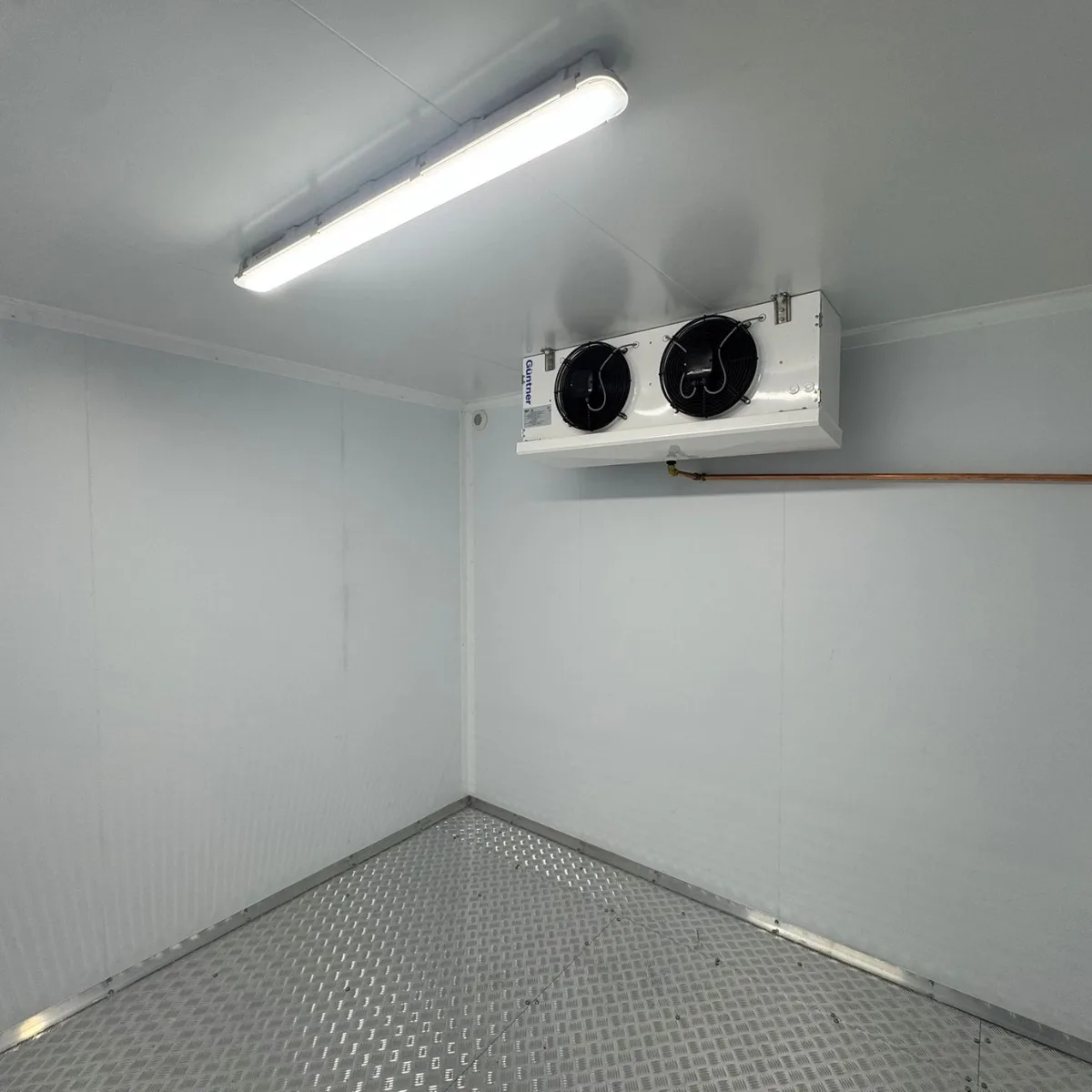
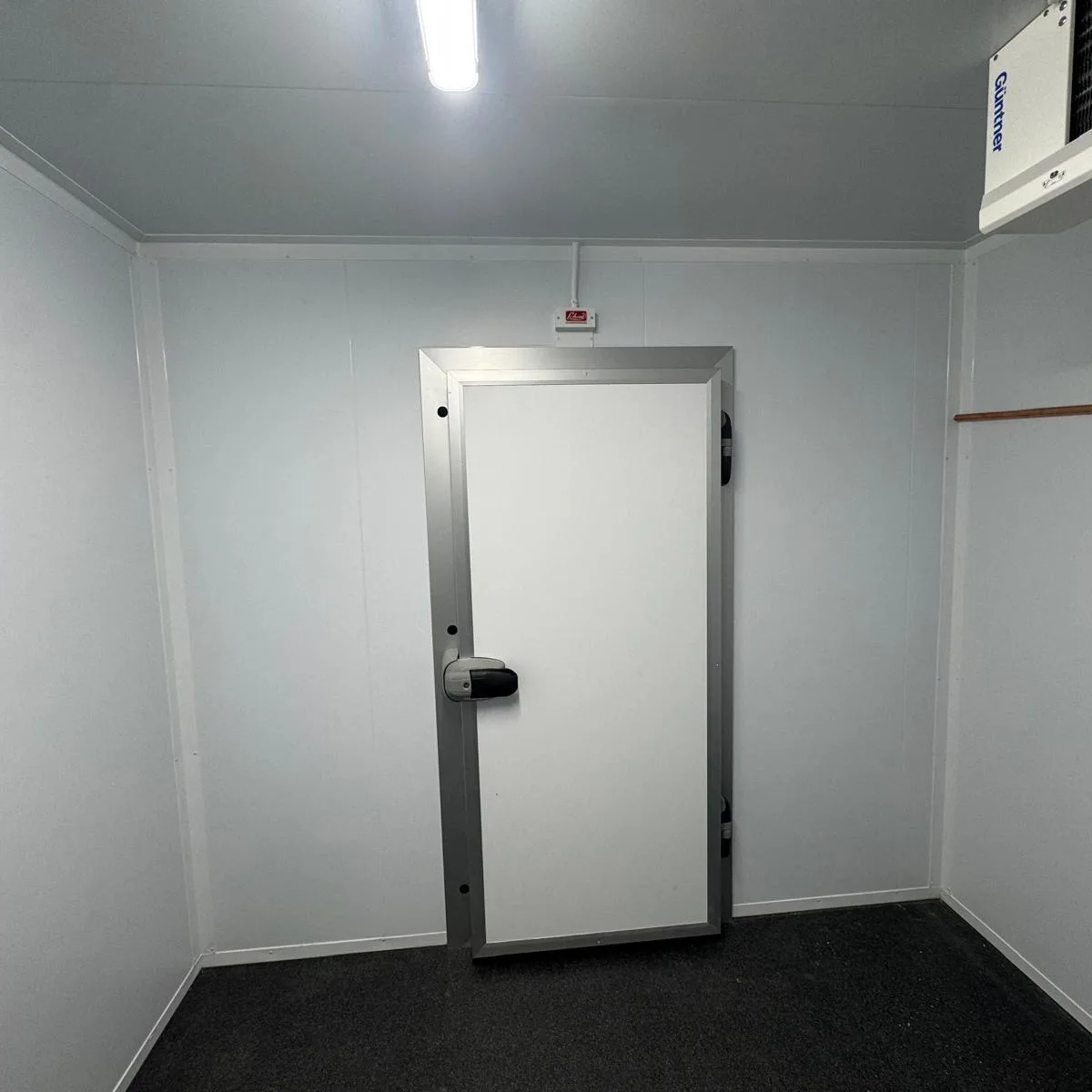
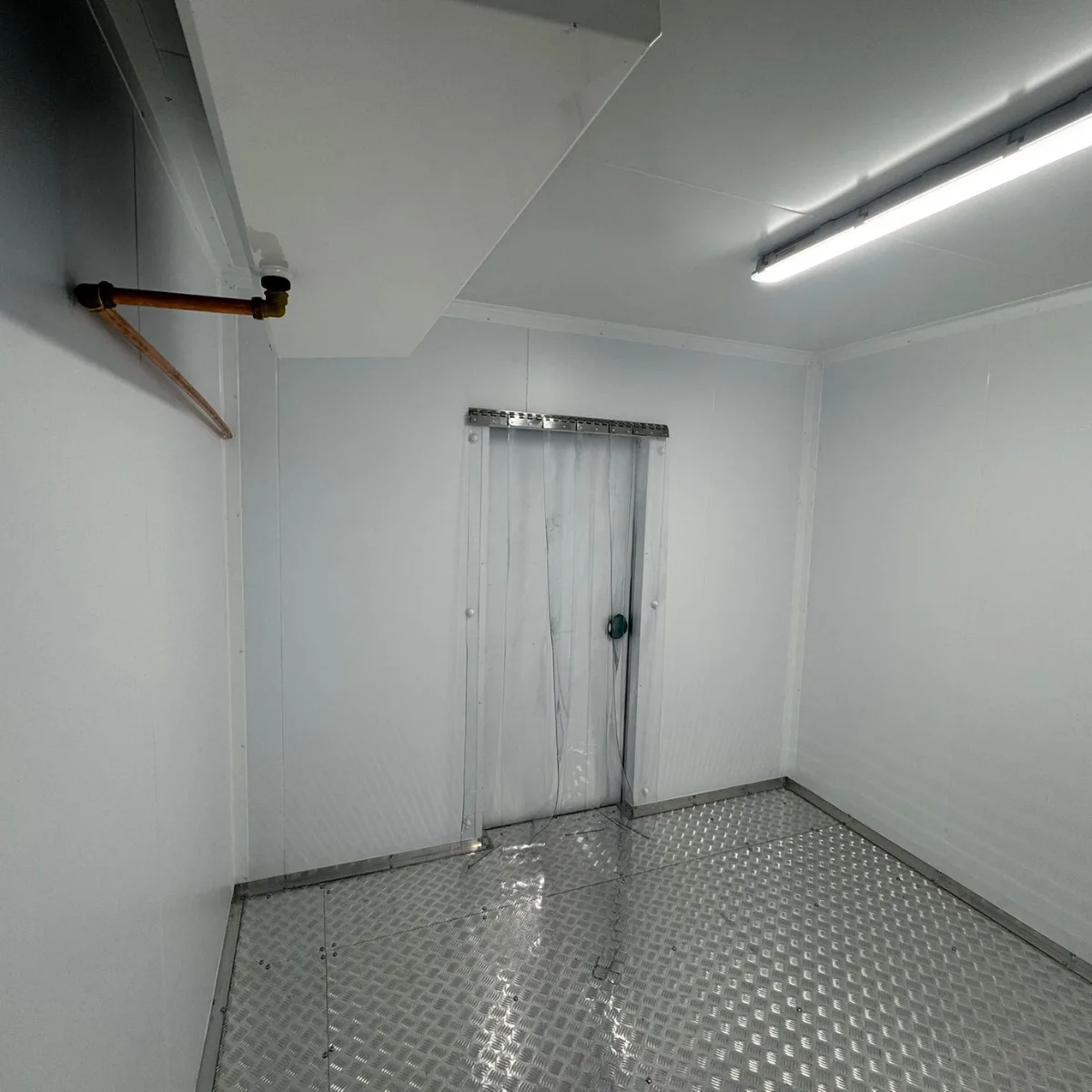
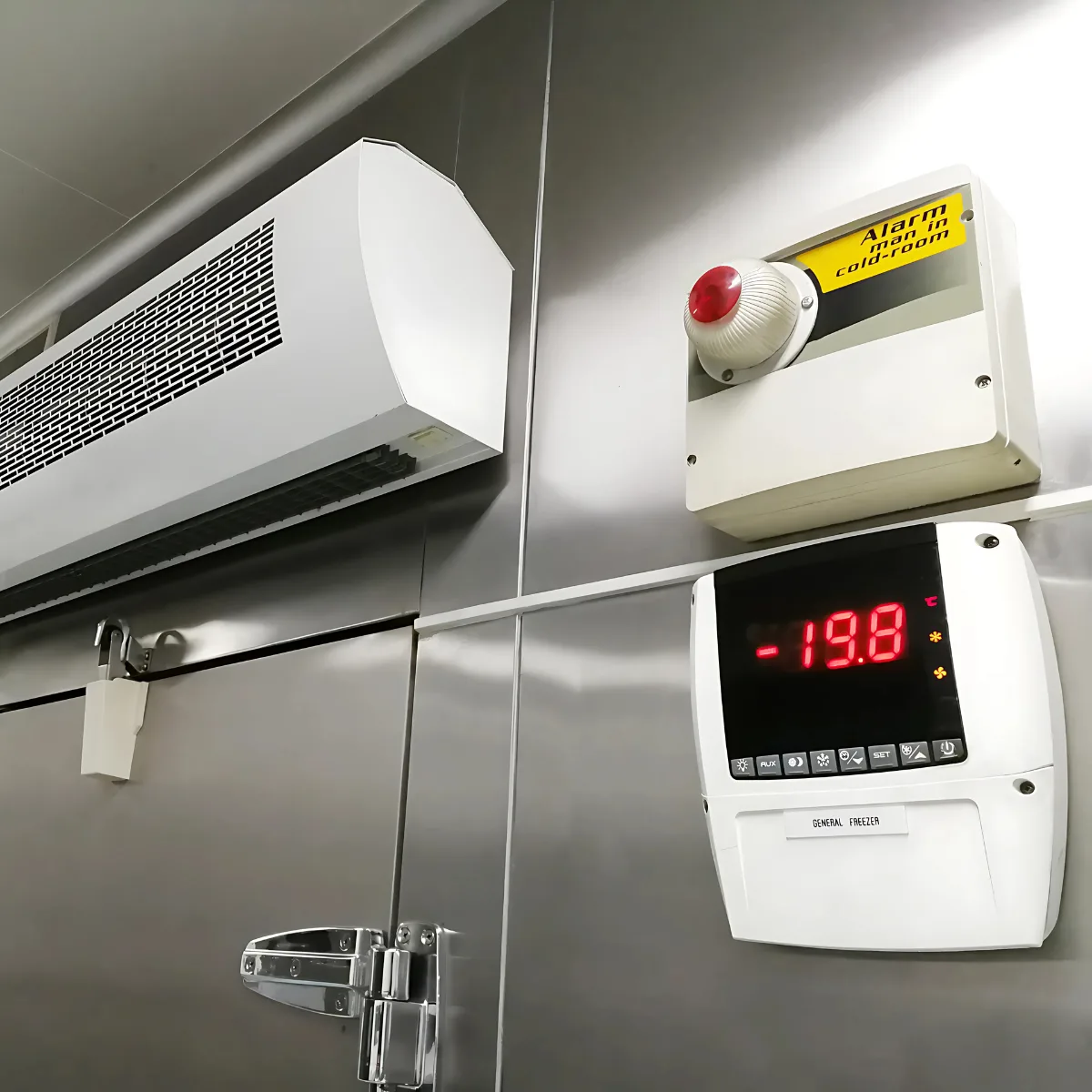
From cold room installations to full VRF systems, see the quality of work we deliver across London.
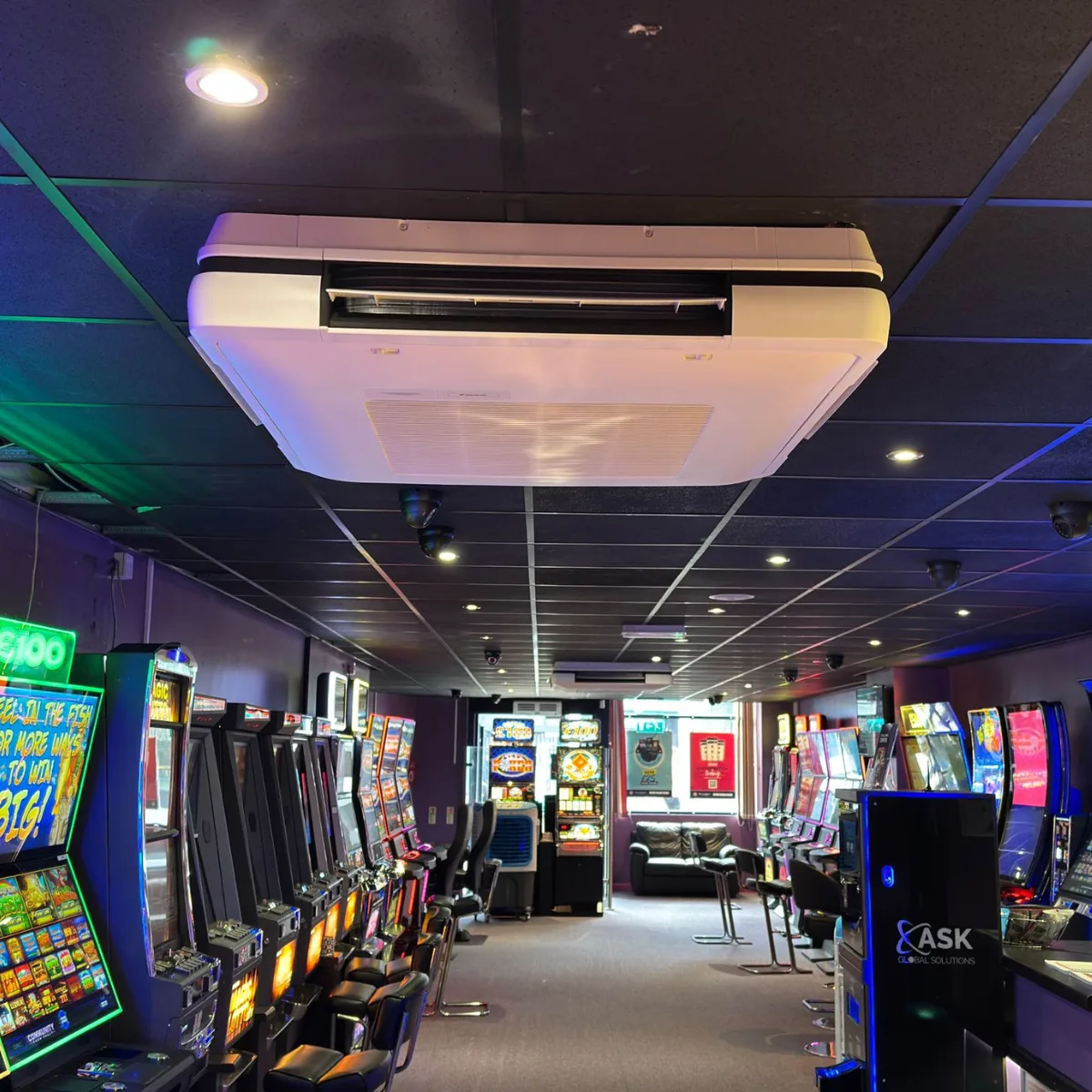
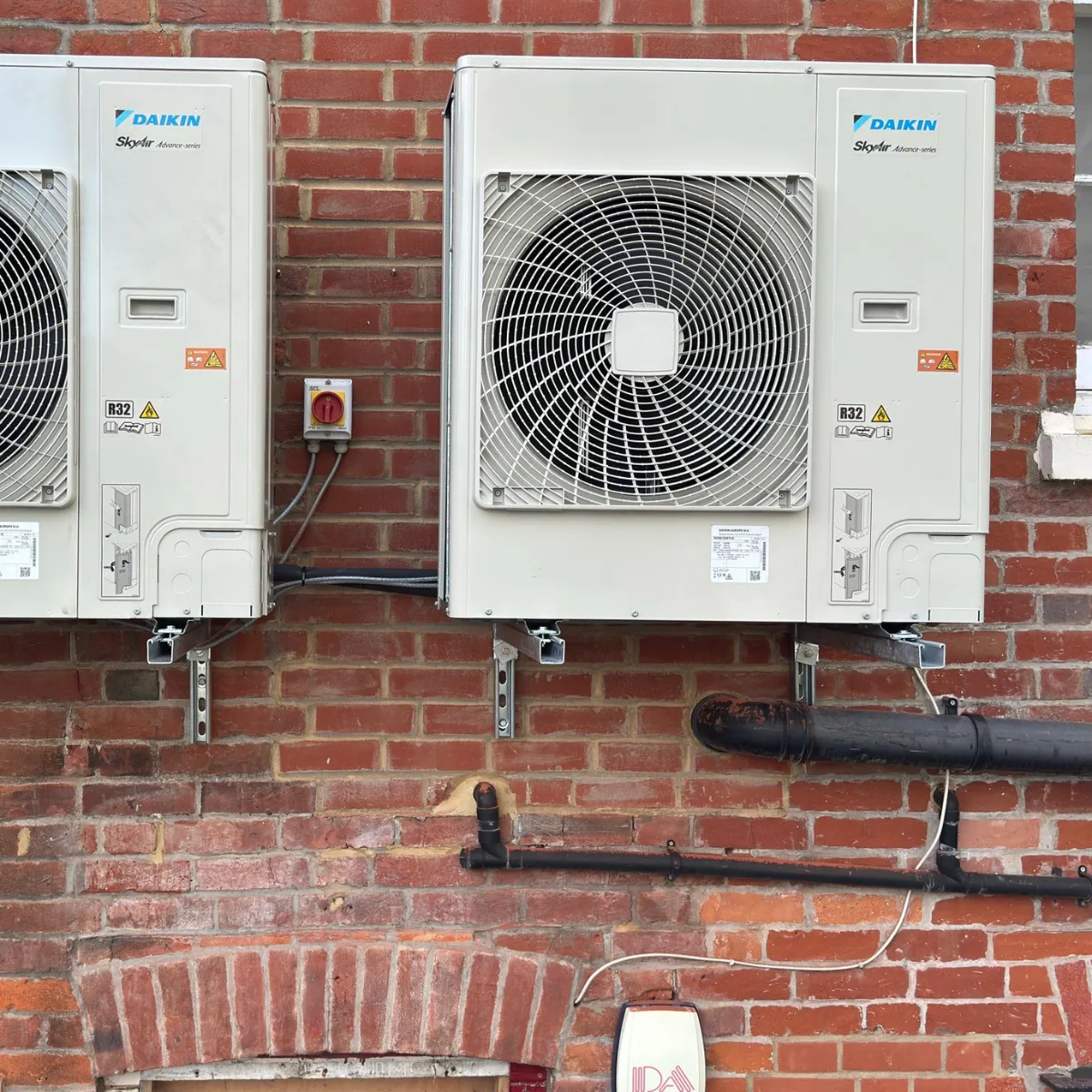
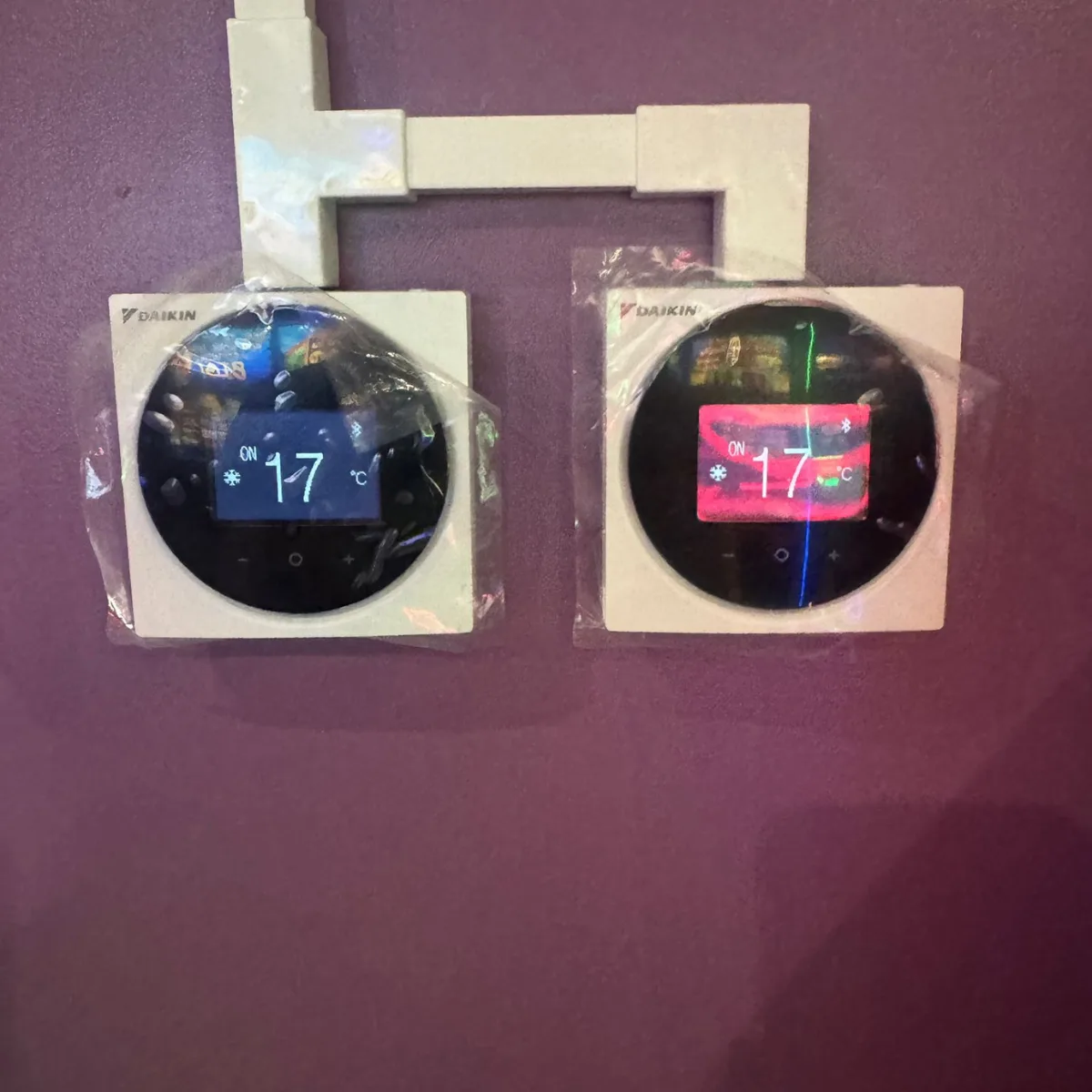
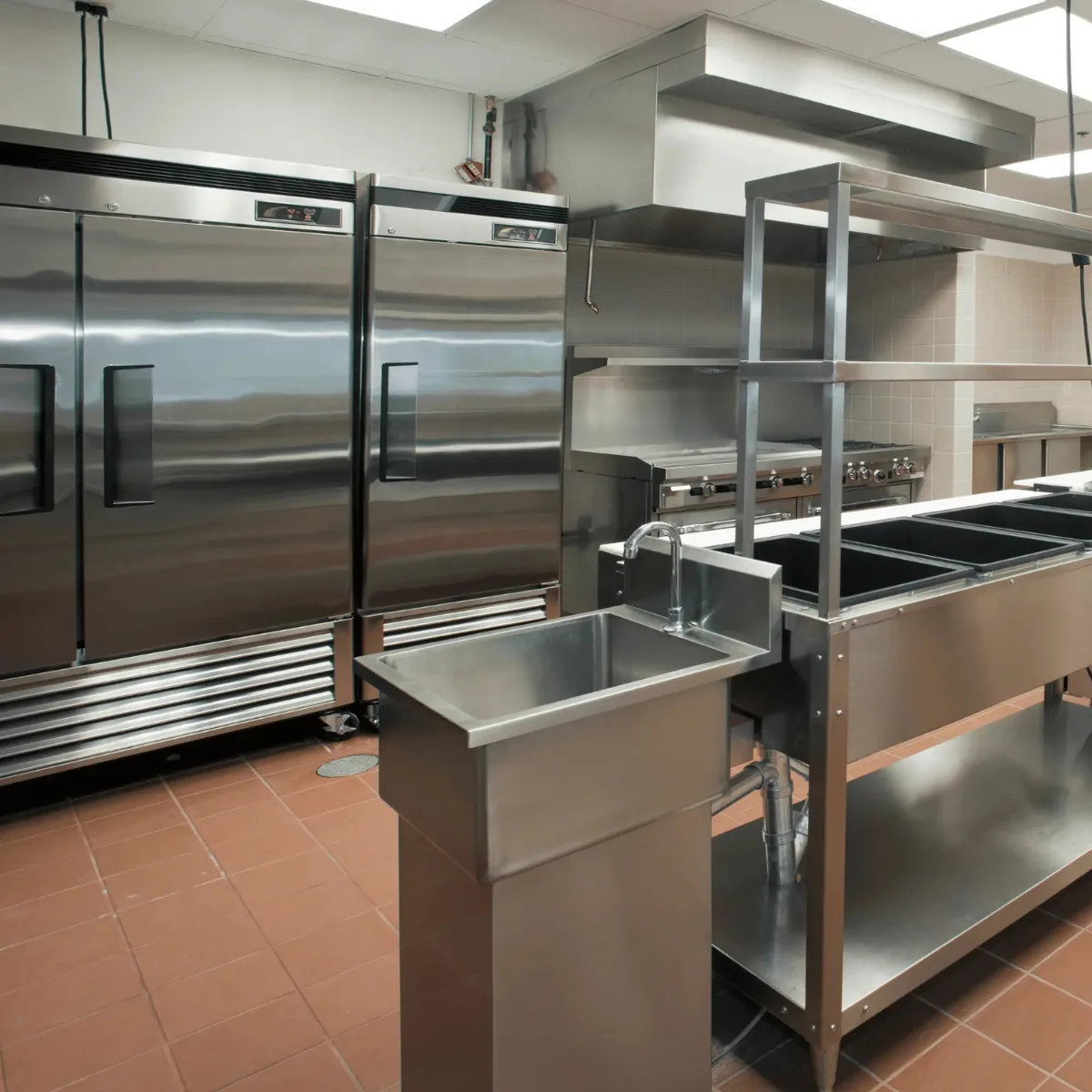
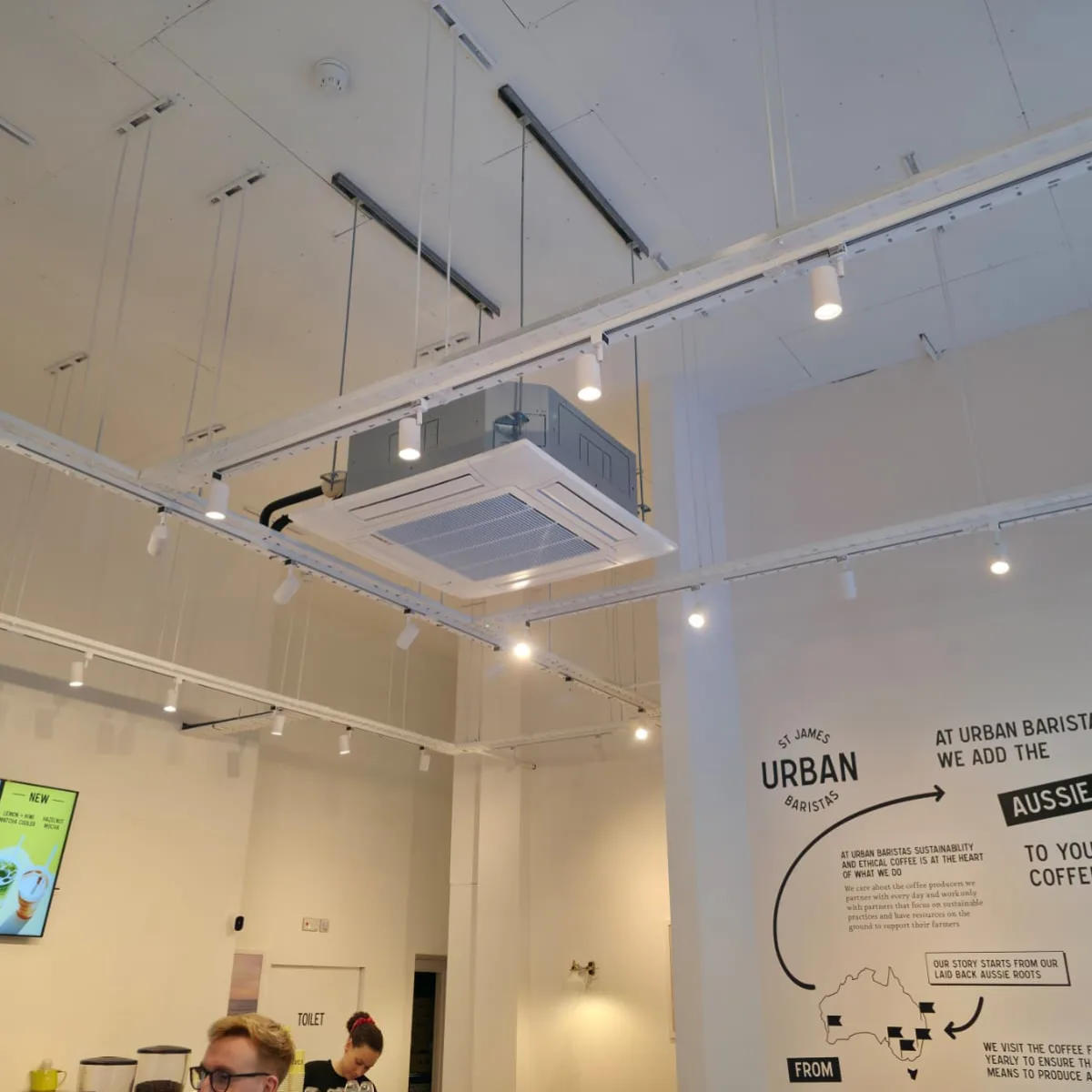
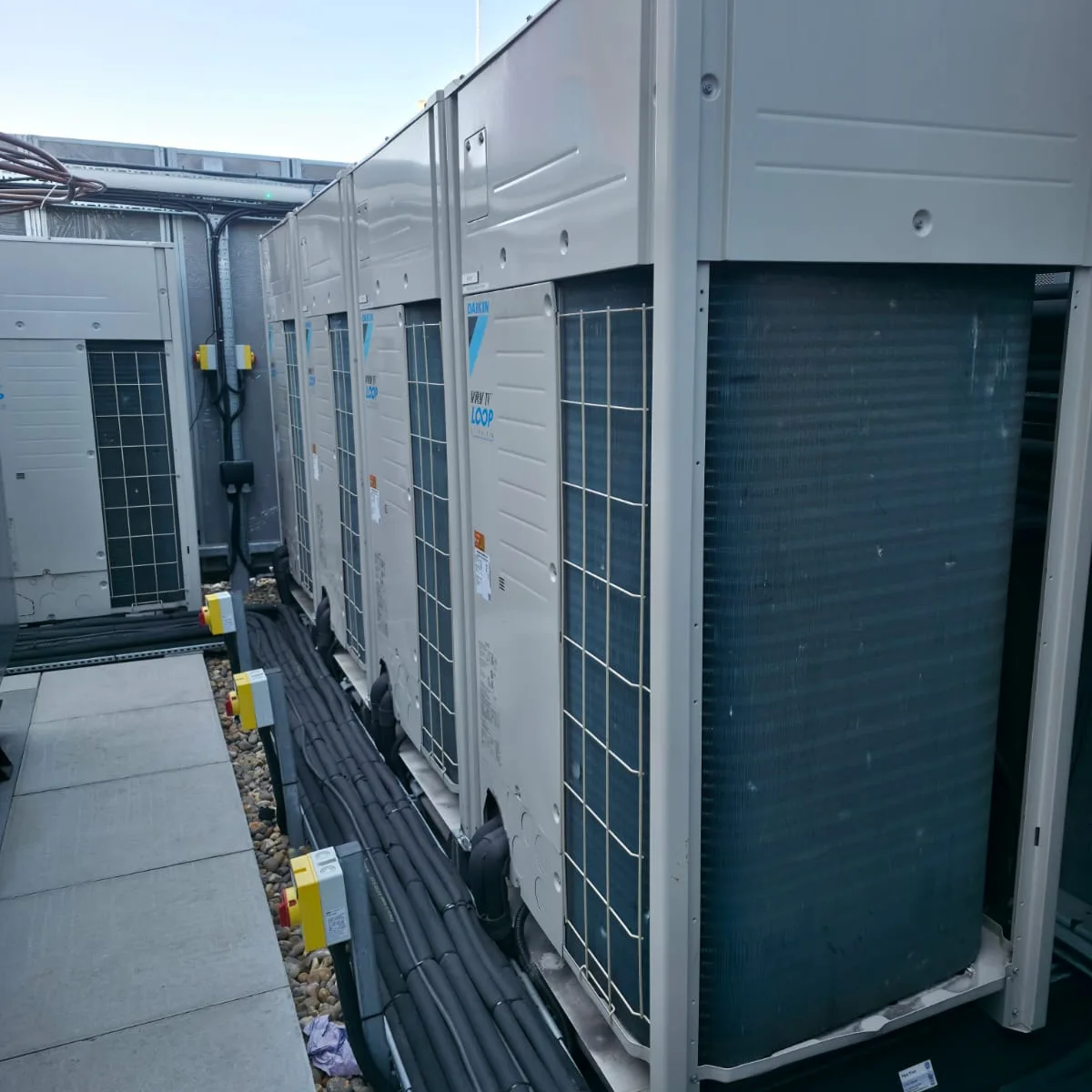
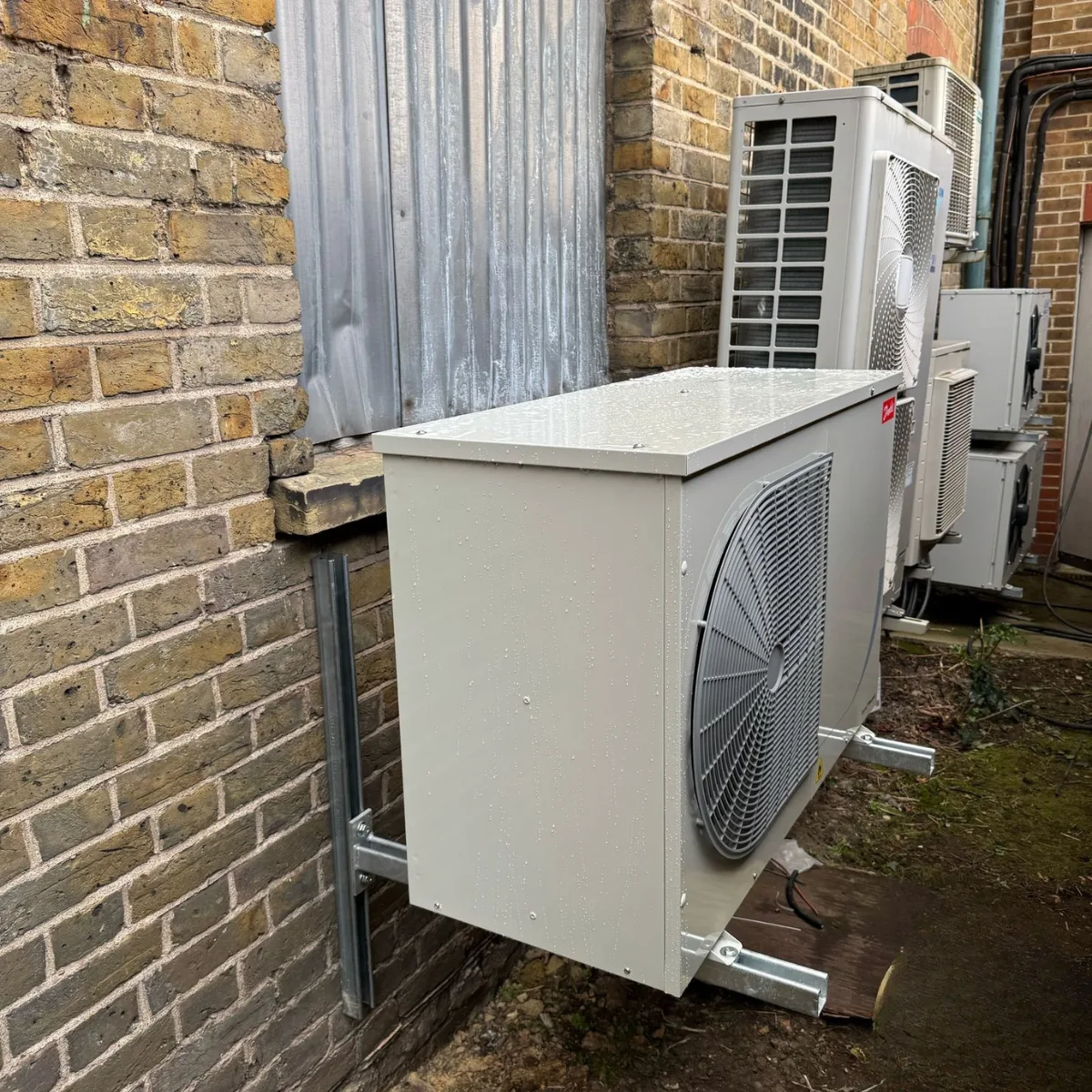
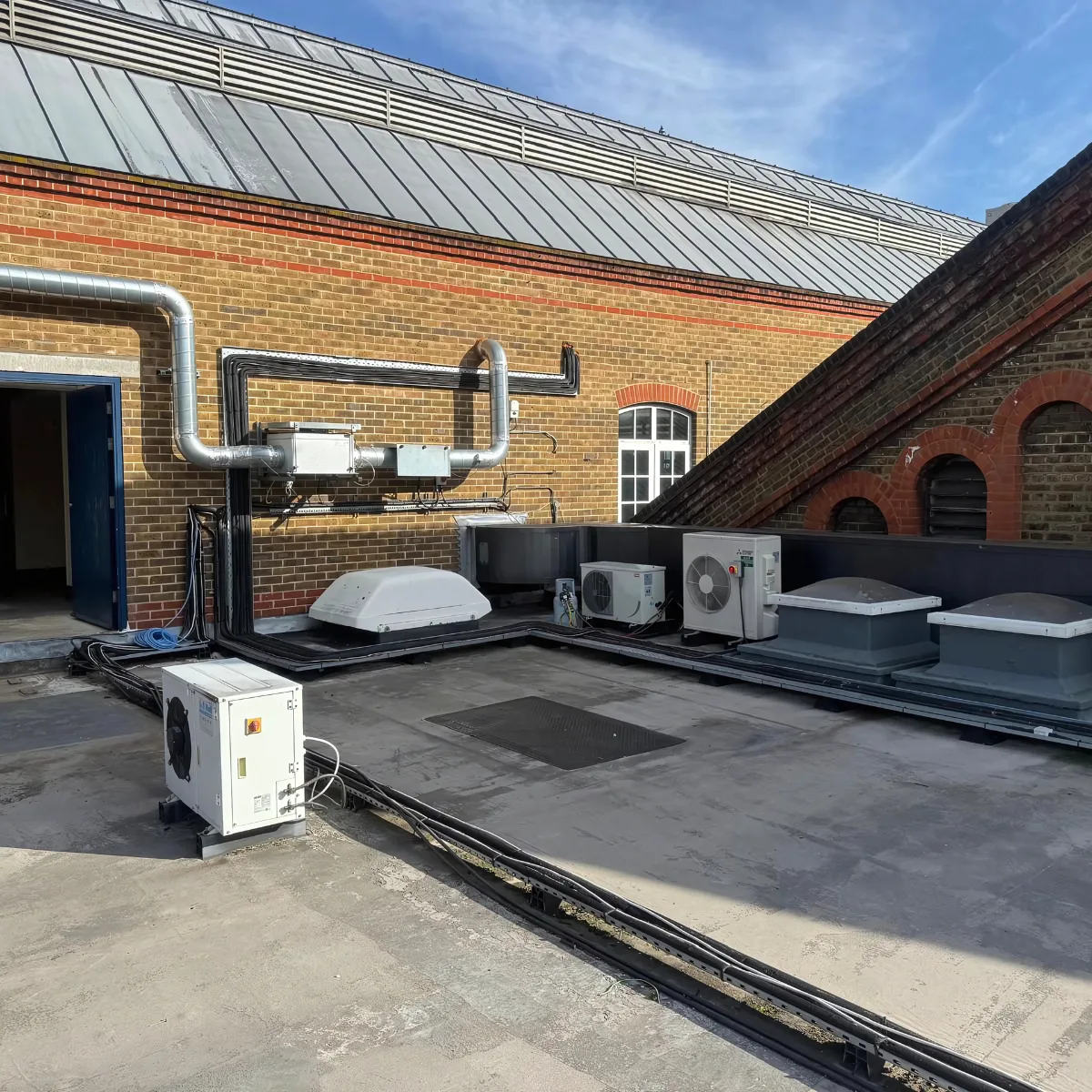
Coverage
Areas We ServeLondon & Surrounding
From the City of London to the outer boroughs, our engineers provide air conditioning and refrigeration services across the entire Greater London area.
Same-day response for most locations. Emergency callouts available 24/7 across all areas.
Get a Quote for Your AreaFully Accredited
Accreditations & Certifications
Every one of our engineers is independently verified and certified to the highest industry standards.


From the Blog
Expert Insights & Guides
Practical tips on AC maintenance, error codes, and industry best practices from our engineering team.

Stay Informed
Get Expert Tips Straight
to Your Inbox
Join London businesses and property managers who receive our monthly guide to HVAC best practices, energy savings, and maintenance reminders.
Get Started
Need AC or Refrigeration
Services?
Get in touch with our team of experts for a free, no-obligation quote. Available 24/7 for emergency callouts across London.